How to Choose the Right Furnace: A Homeowner’s Guide
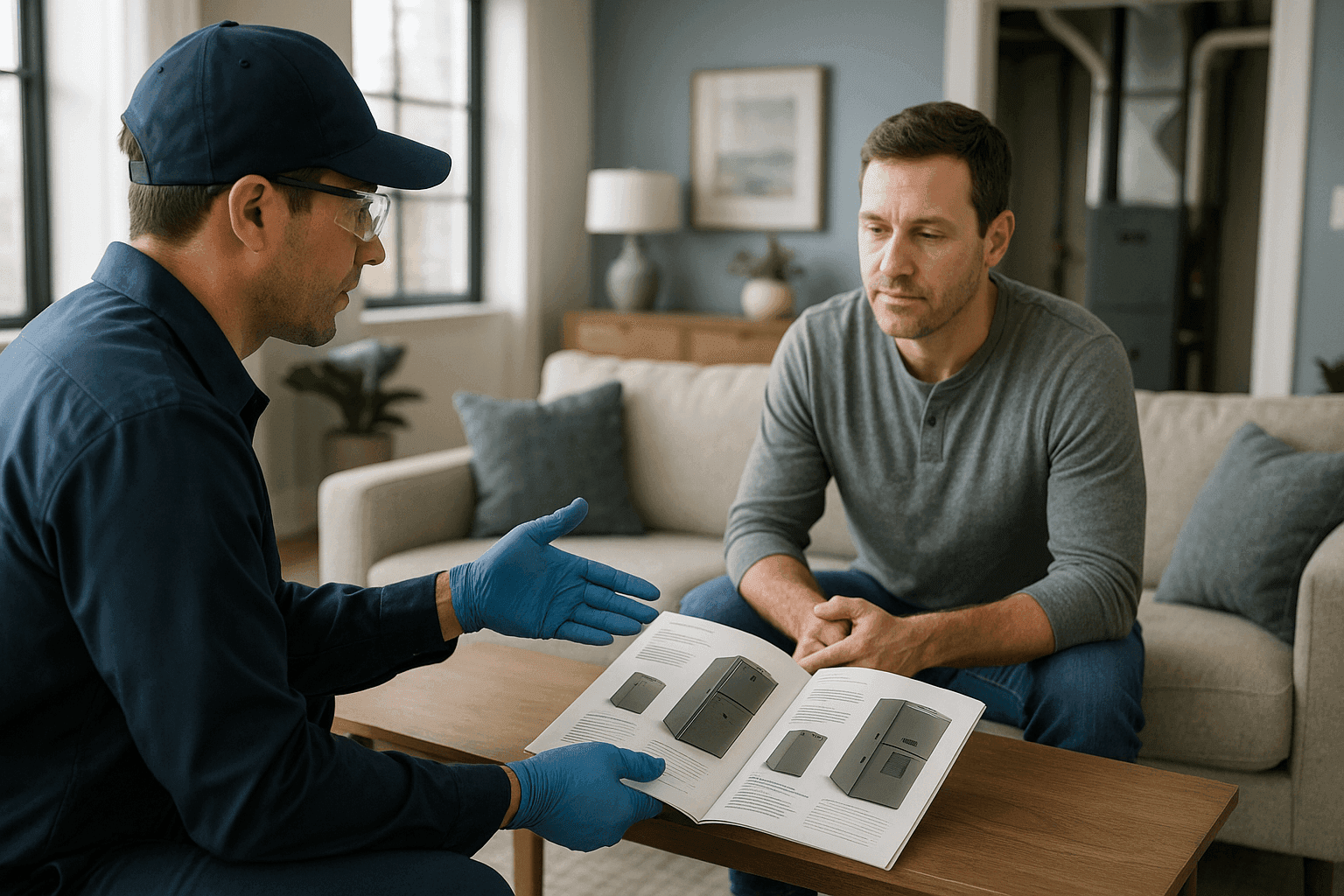
Is it time for a new furnace? Maybe your old one groans in the night, or your living room is chilly even when the thermostat says otherwise. If you’re a homeowner, the choice can feel overwhelming. Gas, electric, geothermal—so many options. Your home’s comfort (and your wallet) depend on getting it right.
At Platts Heating & Air, we know how urgent and confusing this decision can be. We help families every day with 24/7 emergency hvac, and we’re here to share what matters most when picking a furnace that fits your life.
Understanding Furnace Types: The Basics 🔥
Choosing a furnace isn’t just about picking what’s popular. Think about it like cars: some are fast, some are efficient, some need more care. Here’s what you need to know about the main types of furnaces:
Gas Furnaces
- Pros: Fast heating, usually lower fuel costs, reliable in most climates.
- Cons: Needs a gas line, regular venting and safety checks, can be less efficient in milder climates.
Electric Furnaces
- Pros: Simple install, no combustion gases, smaller footprint.
- Cons: Higher electricity bills in cold climates, may heat slower, less suited for large homes.
Oil Furnaces
- Pros: Good for areas without natural gas, strong heat output, familiar in older homes.
- Cons: Requires oil delivery, storage tank maintenance, pricier fuel in many regions.
Geothermal Heat Pumps
- Pros: Super-efficient, uses stable ground temps, low operating costs long-term.
- Cons: Expensive upfront, needs yard space for installation, best for homeowners planning to stay long-term.
Bonus: Radiant Heating near you—systems that send warmth through floors or panels—can be paired with some furnace types for even comfort.
Think about your home’s needs, fuel access, and how long you plan to stay. The “best” furnace is the one that fits your budget and lifestyle—not just today, but for years to come.
Sizing Your Furnace: Not Too Hot, Not Too Cold
A furnace isn’t like a sweater you can just swap if it’s too big or small. Get it wrong, and you’ll pay in comfort, bills, and repairs. Here’s how to size it right:
- Square Footage: Measure your heated living space. Bigger homes need more heating power (measured in BTUs).
- Climate Zone:
- Northern U.S./colder regions: You’ll need more BTUs per square foot—sometimes 45–60.
- Southern U.S./milder winters: 30–40 BTUs per square foot may be enough.
- Insulation & Windows: Drafty or poorly insulated homes lose heat fast. Newer homes with tight windows and good insulation need less furnace muscle.
- Ceiling Height: High ceilings mean more air to heat. Don’t forget basements or additions.
Tip: Ask your installer for a Manual J load calculation. It’s an industry-standard method (per ACCA guidelines) to get the numbers right. Don’t settle for “rule-of-thumb” guesses.
Energy Efficiency: What AFUE Really Means 💡
Imagine your furnace as a piggy bank. The higher the efficiency, the more of your “fuel” turns into real heat (not wasted out the chimney).
- AFUE (Annual Fuel Utilization Efficiency): This rating tells you how much fuel your furnace actually turns into heat.
- 80% AFUE: 80% of fuel heats your home; 20% goes to waste.
- 95% AFUE or higher: Nearly all fuel becomes heat—less waste, lower bills.
What’s right for you?
- Colder climates: High-efficiency (90%+) can pay off with lower bills over time.
- Milder climates: Standard efficiency may be enough if you rarely run the heat.
Look for ENERGY STAR® certified models for real-world savings. And remember—proper sizing and installation matter just as much as the sticker.
Installation Quality: What to Ask Your Installer
A furnace is only as good as its installation. Even the best unit can struggle if corners are cut. Here’s what smart homeowners ask:
What to Ask
- Are you licensed, bonded, and insured for HVAC work?
- Will you pull the required permits and follow local codes?
- How will you size the system? (Look for “Manual J” and “Manual D” for ductwork.)
- Can you show me your certifications (like NATE, EPA)?
- What’s included in your installation? (Thermostats, ductwork, venting, removal of old unit)
- How will you ensure my indoor air quality and safety?
- What’s your plan for cleanup and post-install inspection?
Tip: The best installers are happy to explain. If you get vague answers, keep looking.
Red Flags & Common Pitfalls to Avoid 🚩
Don’t let common mistakes trip you up. Watch for these red flags:
- Over- or undersized furnace: Bigger isn’t better. Too large, and your furnace “short cycles,” wasting energy and wearing out early. Too small, and you’ll never feel warm.
- Skipping permits or code: This can void warranties and create safety risks.
- Ignoring ductwork: Leaky ducts can lose up to 30% of your heat (per U.S. Department of Energy).
- Chasing the lowest bid: Cheap installs usually mean cut corners—sometimes dangerous ones.
- No maintenance plan: Even new furnaces need regular checkups for safety and efficiency.
Comparing Models: Practical Tips
You don’t need to be an engineer. Here’s how to compare:
- Check AFUE: Higher is better, but balance cost vs. savings for your climate.
- Look at features: Variable-speed blowers, smart thermostats, and air filtration can add comfort and efficiency.
- Noise levels: Ask about decibel ratings if you’re sensitive to sound.
- Warranty: Look for clear manufacturer coverage—parts and heat exchanger.
- Service network: Choose brands and models with local support for emergency hvac needs.
Frequently Asked Questions (FAQ)
How long does a furnace last?
Most furnaces last 15–20 years with regular maintenance. Quality installation and timely service make a big difference.
Can I use my old thermostat with a new furnace?
Sometimes, but many modern furnaces work best with updated—or smart—thermostats. Ask your installer.
What’s the difference between a furnace and a heat pump?
A furnace creates heat; a heat pump moves heat. In mild climates, heat pumps can be a good alternative.
How can I improve indoor air quality with my new furnace?
Ask about upgraded filters, air scrubbers, humidifiers, and regular duct cleaning. These help with dust, allergies, and dry air.
Local & Seasonal Considerations: Your Home, Your Climate 🌦️
Your furnace choice should match the seasons—and the quirks—of your home.
- Cold, snowy regions: High-efficiency gas or oil furnaces keep things cozy. Consider backup generator installation for winter storms.
- Humid climates: Air balancing, dehumidifiers, and proper ductwork matter as much as heat.
- Dry, high-altitude homes: Humidifiers can add comfort; some high-efficiency furnaces need special venting.
- Older homes: Sheet metal upgrades or duct cleaning may be needed for safe performance.
Tip: Always ask your local installer about code requirements and fuel options. Local rules matter—what works in one area may not be allowed in another.
Why Platts Heating & Air? Experience, Training, and Trust
Choosing a furnace is a big investment. So is choosing who installs it. Platts Heating & Air brings decades of hands-on experience to every job. Our team holds certifications from recognized organizations (including NATE, EPA, and state licensing boards). We stay up-to-date with safety codes (like International Residential Code, NFPA, and ACCA standards) and modern installation techniques.
We live and work in your community. That means we understand seasonal swings, home construction styles, and what it really takes for year-round comfort.
From emergency hvac calls in the middle of the night, to scheduled furnace installations, to whole-home energy audits and indoor air quality testing—we’re here to help you breathe easy.
Ready to talk about your next furnace?
Call Platts Heating & Air now — or reach us anytime at 888-828-9042 .