Duct Cleaning: Does Your Home Really Need It?
Is duct cleaning just another item on the endless home maintenance list, or is it truly important for your family’s comfort and safety? There’s a lot of noise out there. Some folks treat duct cleaning like changing a light bulb—routine and necessary. Others say it’s as rare as a blue moon.
At Platts Heating & Air, we understand the confusion. You want healthy air, reliable heating, and peace of mind—especially when emergencies strike at odd hours. Let’s cut through the myths and get to what really matters for your home.
The Real Signs Your Ducts Need Cleaning 🕵️
Not every home needs duct cleaning every year. But when certain clues start stacking up, it’s time to pay attention. Here’s how to tell if your ducts might be crying out for help:
- Persistent Dust: You clean, but a thin layer returns right away. It feels like a losing battle.
- Worsening Allergies: Sneezes, itchy eyes, or unexplained coughs, especially when the HVAC kicks on.
- Visible Debris: Pop off a vent cover and see dust bunnies or even mold.
- Odors: A musty or burnt smell drifting from vents.
- Insect or Rodent Activity: Droppings or the occasional scurry in your ductwork.
- Recent Renovations: Construction dust finds its way everywhere—especially ducts.
Think of your ducts like the arteries of your home. If they’re clogged, the whole system suffers.
Health & Efficiency: Why Clean Ducts Matter
Clean ducts aren’t just about tidy air—they’re about breathing easier and running your home efficiently.
- Air Quality: According to the Environmental Protection Agency (EPA), dirty ducts can contribute to indoor air pollution if there’s visible mold growth, rodent droppings, or large accumulations of dust.
- Allergy Relief: The Asthma and Allergy Foundation of America notes that airborne irritants may worsen symptoms. If you or your family struggle with allergies, clean ducts can help.
- System Efficiency: A clogged duct makes your HVAC system work overtime, just like running with a stuffy nose. That can mean higher energy bills and more wear on expensive equipment.
- Fire Safety: In rare cases, excessive dust buildup (especially in homes with older furnaces) can become a fire hazard.
What Professional Duct Cleaning Involves
When you call in a professional for duct cleaning—especially from an emergency hvac provider like Platts Heating & Air—you get more than just a quick vacuum.
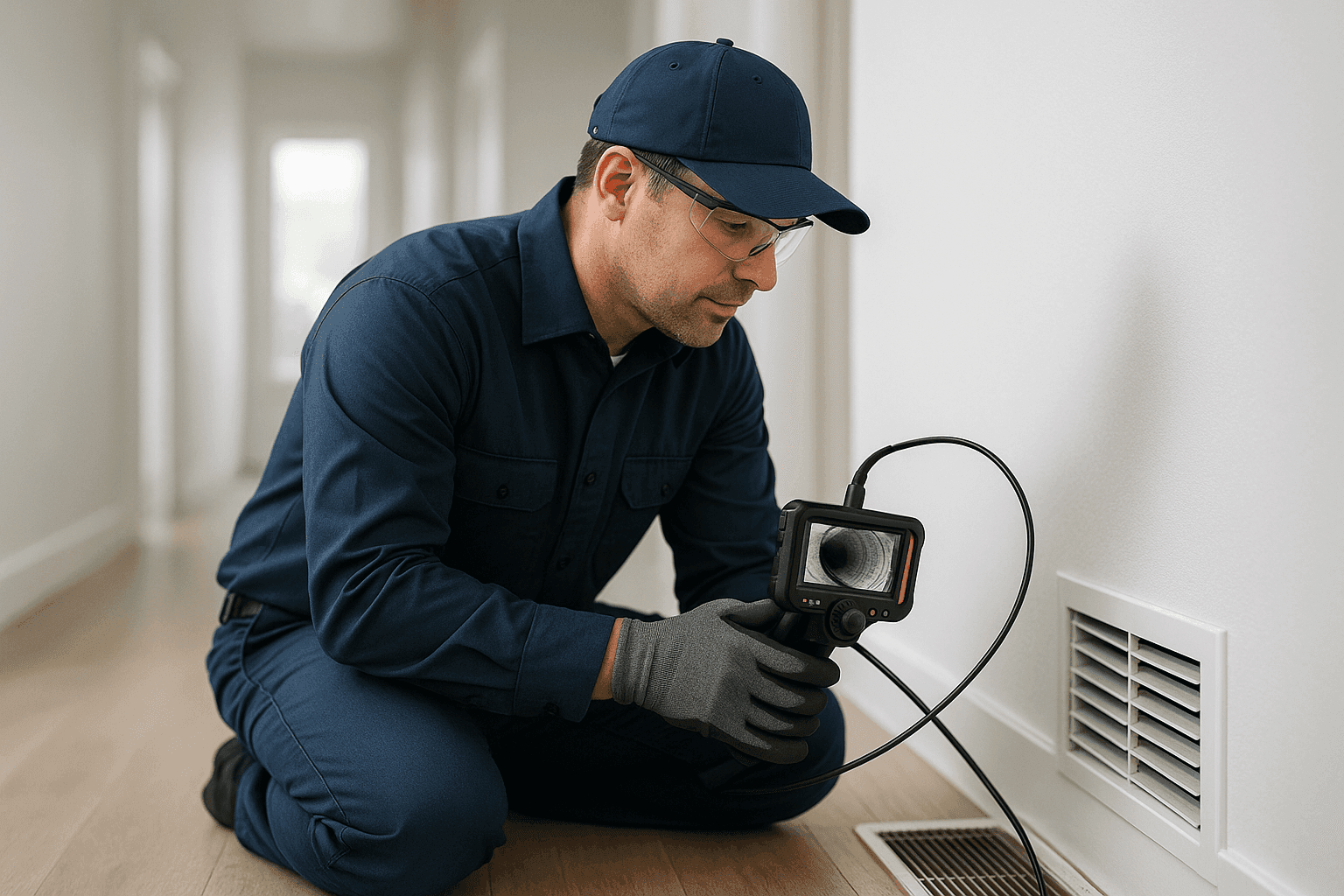
- Inspection: Our technicians use cameras and flashlights to check inside your ducts. If we spot mold, debris, or damage, you’ll see it too.
- Sealed Containment: We use high-powered vacuums and seal off the system, so dust isn’t blown throughout your home.
- Mechanical Agitation: Brushes and air whips gently dislodge stubborn dirt—think of it like scrubbing a bottle you can’t reach by hand.
- Sanitizing (When Needed): If mold or bacteria are present, appropriate disinfectants (EPA-registered) are used, following guidelines by the National Air Duct Cleaners Association (NADCA).
- Final Check: We show you the results so you know what’s changed.
Our technicians are continuously trained on the latest in HVAC safety, building codes, and indoor air quality best practices. That’s how we handle emergency hvac calls that can’t wait.
How Often Should You Clean Your Ducts?
Here’s the truth: there’s no universal timeline. Some homes go five years or more with no need; others need attention after heavy construction or pest infestations.
General guidelines:
- Every 3–5 years for most homes
- Sooner if you notice the signs above
- After major home renovations
- If there’s a sudden spike in allergies or respiratory issues
Always follow manufacturer recommendations for your HVAC system. If you’re unsure, a home energy audit or indoor air quality (IAQ) test can help you decide.
Red Flags: Watch for Duct Cleaning Scams
Not all offers are created equal. Watch out for:
- “Too Good to Be True” Prices: Extreme discounts may mean shoddy work or hidden fees.
- High-Pressure Sales: Real professionals won’t push you to buy services you don’t need.
- No Credentials: Always ask if technicians are trained to NADCA or similar standards.
- Lack of Inspection: If a contractor skips inspecting your system before quoting a price, that’s a red flag.
If something feels off, trust your gut and ask questions.
Quick Safety Checklist for Homeowners 🛑
Before scheduling duct cleaning, run through this checklist:
- Are any household members experiencing unexplained allergies or asthma flare-ups?
- Do you see visible mold inside ducts or on HVAC components?
- Has there been a recent pest problem or animal intrusion?
- Are your vents clogged with dust or debris?
- Has your home undergone recent renovations or major repairs?
- Is the HVAC system making unusual noises or running less efficiently?
If you answered yes to one or more, consider a professional inspection.
DIY vs. Call a Pro
It’s tempting to grab a shop vac and reach into your vents. But most ductwork snakes through walls, floors, and ceilings—places even the bravest homeowners can’t reach.
DIY might help if:
- You’re just dusting registers and vent covers.
- You notice a small amount of debris near the opening.
Call a pro if:
- You see mold, animal droppings, or thick debris.
- Your allergies or respiratory symptoms worsen.
- You want peace of mind and a thorough clean.
Remember: DIY solutions can help with surface dust, but only pros have the tools and training for deep cleaning.
What Platts Technicians Do On Arrival
When our team arrives, you can expect:
- Punctuality and respect for your home
- A walk-through and clear explanation of the process
- Use of specialized cameras for inspection
- Sealing off vents and using HEPA-filtered vacuums
- Careful cleaning of all accessible ducts and components
- Post-cleaning review—so you see the before and after
Our approach follows NADCA’s code of ethics and the EPA’s recommendations for safe, effective duct cleaning.
Prevention & Ongoing Maintenance
Want to keep your ducts cleaner for longer?
- Change Filters Regularly: Replace or clean HVAC filters as recommended—usually every 1–3 months.
- Schedule HVAC Maintenance: Annual tune-ups spot issues before they grow.
- Control Humidity: Use dehumidifiers to prevent mold growth.
- Seal Ducts: Well-sealed ducts are less likely to collect dust or attract pests.
- Limit Indoor Smoking: Smoke residue can cling to ductwork.
- Vacuum and Dust Regularly: Fewer particles in your home means less in your ducts.
Consider a home energy audit or IAQ testing for a holistic look at your air quality.
Costs & Time Factors
Duct cleaning is an investment in your home’s health and comfort. Several factors affect cost and duration:
- Home Size: Larger homes have more ductwork.
- Number of HVAC Systems: Each system adds time and complexity.
- Severity of Contamination: Heavy buildup or mold requires more work.
- Accessibility: Hard-to-reach ducts may take longer.
A typical cleaning (for an average home) can take 2–4 hours. Pricing varies, but beware of deals that seem too cheap.
When It’s an Emergency
Sometimes, duct cleaning can’t wait:
- After a fire, flood, or significant water leak (to prevent mold)
- Severe pest infestation (droppings, nests, or dead animals)
- Sudden, severe allergy or respiratory reactions
- When HVAC airflow is seriously reduced or rooms aren’t heating/cooling
In these cases, call an emergency hvac provider like Platts Heating & Air—no matter the hour.
Duct Cleaning FAQ
How do I know my ducts are dirty if I can’t see inside?
Look for indirect signs—dusty surfaces, worsening allergies, or odors. Professionals use cameras to show you what’s inside.
Will duct cleaning fix my allergies?
It may help, especially if there’s mold or heavy dust, but it’s not a cure-all. Addressing all sources of indoor pollution is key.
Is duct cleaning messy?
Not with trained pros. We use containment and HEPA vacuums to keep dust out of your living space.
Can I combine duct cleaning with other HVAC services?
Absolutely. Many homeowners schedule cleaning with HVAC maintenance, IAQ testing, or filter changes.
Local & Seasonal Considerations 🌦️
Humidity, pollen, and dust levels change with the seasons—and so do your home’s needs.
- Spring: Pollen and dust may settle in ducts after a long winter.
- Summer: Humidity increases risk of mold.
- Fall: Time to check ducts before turning on heat.
- After wildfires or construction: Soot and debris can settle in ductwork.
If you’ve recently installed Radiant Heating or are searching for “Radiant Heating near you,” it’s a good time to consider a duct check, too.
Your family’s comfort and health matter every day of the year. If you notice the warning signs or just want peace of mind, Platts Heating & Air is here—24/7. Our trained technicians handle emergencies, maintenance, and everything in between.
Call Platts Heating & Air now — or reach us anytime at 888-828-9042 .