Emergency HVAC Guide: What to Do Before Help Arrives
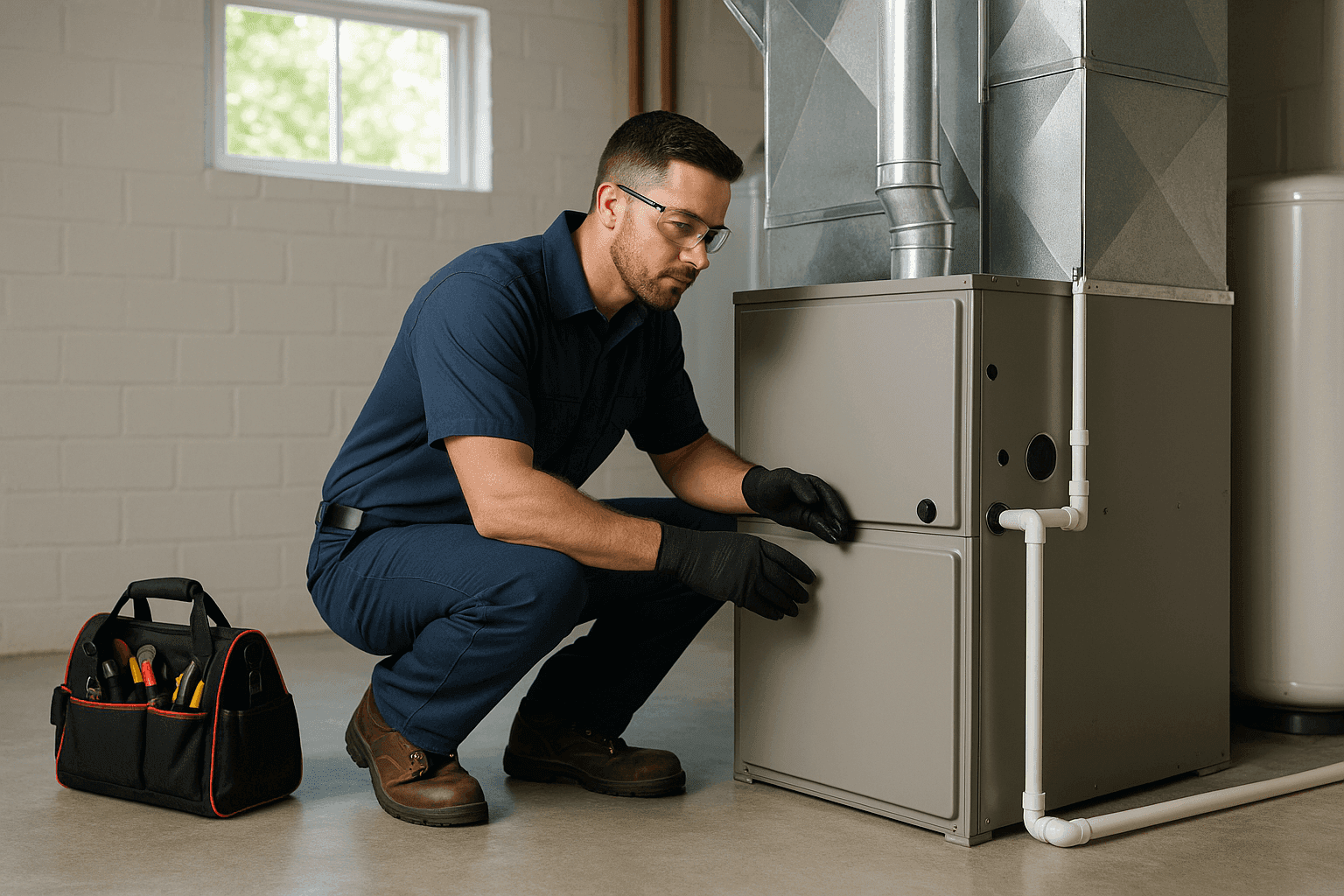
When your home suddenly goes silent in the dead of winter or starts to swelter on a summer night, panic sets in. The hum of your furnace or cool breeze of your AC is gone. You need answers—fast.
At Platts Heating & Air, we know that emergencies don’t wait for business hours. That’s why we’re here 24/7, ready to help families just like yours with everything from furnace failures to AC outages. Until we arrive, here’s what you can do to keep your home and loved ones safe.
What To Do First When Your HVAC Breaks Down
You didn’t expect your furnace to fail at midnight, but here you are. The room is getting colder by the minute. Or maybe your AC just quit during a heatwave, and you’re already sweating. Here’s your first move—think safety.
- Turn off the system power: Head to your breaker panel and switch off the circuit for your HVAC. Like pulling the keys from the ignition, this helps prevent electrical hazards.
- Sniff for gas: If you smell rotten eggs or hear a hissing sound near your furnace, leave the house immediately. Natural gas leaks are nothing to gamble with (refer to the National Fire Protection Association guidelines).
- Don’t attempt DIY repairs: Now isn’t the time to play engineer with YouTube. HVAC systems are complex. A wrong move can make things worse—or dangerous.
- Check for obvious problems: Is the thermostat set correctly? Are the filters clogged? Sometimes, the fix is simple, but don’t dig deeper if you’re unsure.
Quick Safety Checklist 🛑
- Flip the HVAC breaker OFF
- Smell gas? Evacuate and call emergency services
- Avoid standing water—shut off water main if needed
- Don’t use portable heaters or fans near leaks or in closed spaces
- Gather household members and pets in a safe area
- Open windows if temperatures allow and air quality is safe
- Call Platts Heating & Air for 24/7 emergency hvac help
Should You Try To Fix It Yourself?
It’s tempting to tinker. Maybe it’s just a fuse, right? But modern HVAC is more like a puzzle box than a toolbox.
- Risks outweigh rewards: Even changing a filter can be tricky if you’re not sure what you’re doing. Electrical shocks, gas leaks, or water damage can happen fast.
- Warranties: Many manufacturers void warranties if unlicensed repairs are made.
- Focus on safety: Your job is to keep your family safe and minimize further damage. Leave the repairs to certified professionals.
What To Tell Your Technician
Help us help you! The more information you can share, the faster we can get you comfortable again.
- When did the problem start?
- Any strange smells, noises, or leaks?
- Did the system shut off completely or is it running intermittently?
- What’s the make and model of your unit?
- Have there been recent changes—like thermostat settings or power outages?
Write these down or snap a quick photo of your thermostat or furnace panel. It’s like giving us a map before we start the journey.
Minimizing Property Damage
An HVAC emergency isn’t just about comfort—it can mean water, ice, or even electrical trouble.
- Water leaks: Place towels or a bucket under any drips. Turn off the water supply if you see pooling near your AC, humidifier, or boiler.
- Frozen pipes: If your home is losing heat fast, open cabinet doors under sinks to let warmer air circulate. Wrap pipes with towels or newspaper.
- Electrical hazards: If you see sparks or smoke, leave the area and call emergency services.
- When to evacuate: If you smell gas, see smoke, or the temperature becomes unsafe (below 55°F in winter or above 90°F in summer), leave the house and find shelter.
Emergency HVAC Checklist
- [ ] Power OFF the HVAC system
- [ ] Note any strange smells, sounds, or leaks
- [ ] Check thermostat and circuit breakers
- [ ] Protect valuables near leaks
- [ ] Keep children and pets away from affected areas
- [ ] Gather details for the technician
- [ ] Call Platts Heating & Air for emergency hvac service
What Platts Heating & Air Does When We Arrive 🚚
You called for help—now what happens next?
- Rapid assessment: We arrive ready to diagnose. Our certified technicians use code-compliant tools and years of experience.
- Safety first: We check for gas leaks, electrical shorts, and hazardous conditions.
- Temporary solutions: If we can’t fix it right away, we’ll stabilize the situation—like patching a leak or setting up portable heat or cooling (if safe).
- Clear communication: We explain the problem in plain language, outline next steps, and answer your questions.
- Full repairs: From Radiant Heating near you to AC repair, we handle it all—bringing comfort back as quickly as possible.
Prevention & Regular Maintenance
You can’t control the weather, but regular care keeps emergencies rare. Here’s how:
- Schedule seasonal maintenance: A tune-up in spring and fall catches small issues before they become big problems.
- Change filters monthly: Clean filters mean better air and fewer breakdowns.
- Keep vents and intakes clear: Don’t let furniture, curtains, or dust block airflow.
- Invest in a home energy audit: Detects leaks or inefficiencies that can strain your system.
Platts Heating & Air offers maintenance plans, but you can start with simple steps today. Refer to guidelines from the Air Conditioning Contractors of America (ACCA) for best practices.
What Does Emergency HVAC Service Cost? How Long Will It Take?
Costs and timing vary like the weather.
- Simple fixes: A tripped breaker or clogged filter might be resolved in under an hour.
- Major repairs: Replacing a furnace part or fixing a refrigerant leak could take several hours or require special parts.
- After-hours or holidays: Emergency rates may apply but getting your home safe and comfortable is always our top concern.
We’ll always discuss options and timeframes before starting any work.
How To Know When It’s an Emergency
It’s not just about being uncomfortable. Some situations call for immediate action.
- No heat in freezing weather: Can lead to frozen pipes, property damage, or health risks.
- No cooling in extreme heat: Risk of heat exhaustion, especially for children, seniors, or pets.
- Gas smells or smoke: Always an emergency—leave the house and call for help.
- Water leaks: Fast action can prevent mold or structural damage.
If you’re unsure, call us. We’ll help you decide if you need immediate service.
FAQ: Fast Answers for Stressful Moments
What should I do if I lose heat in the middle of the night?
Turn off your system, check for obvious issues like thermostats or breakers, and bundle up. Call Platts Heating & Air—don’t delay if it’s below freezing.
Is it safe to use space heaters until help arrives?
Use only if you’re awake and in the same room. Never use gas ovens or grills for heat. Refer to local fire code safety tips.
How can I prevent frozen pipes if my heat is out?
Open cabinet doors under sinks, let faucets drip slightly, and insulate with towels.
Should I try to clean or unclog drains or vents myself?
Not during an emergency. Wait for a technician—some blockages can expose you to electrical or mold hazards.
Local and Seasonal Considerations 🌦️
Every home is different. Winters in the north mean frozen pipes are a real threat. Summers in the south bring humidity and AC overloads. No matter where you are, the basics remain:
- Monitor weather alerts: Stay ahead of storms or cold snaps.
- Always have emergency supplies: Blankets, bottled water, and flashlights.
- Know your system: Write down make, model, and service histories.
Remember, Platts Heating & Air is ready for every region, every season—day or night.
Why Platts Heating & Air for 24/7 Emergencies?
- Certified, background-checked technicians
- Rapid response times—day, night, weekends, holidays
- Nationwide support and training
- Decades of residential experience
- Full spectrum of services—from Radiant Heating near you to Geothermal and Indoor Air Quality
We’re committed to professionalism, clear communication, and putting your safety first.
Prepare Now: Save Our Contact Info
Emergencies don’t wait. Store our number where you’ll find it fast—on the fridge, in your phone, or by the circuit panel. Share it with your family or neighbors. When the unexpected happens, you’ll be ready.
Call Platts Heating & Air now — or reach us anytime at 888-828-9042 .