Furnace Not Heating? Troubleshooting Tips for Cold Nights
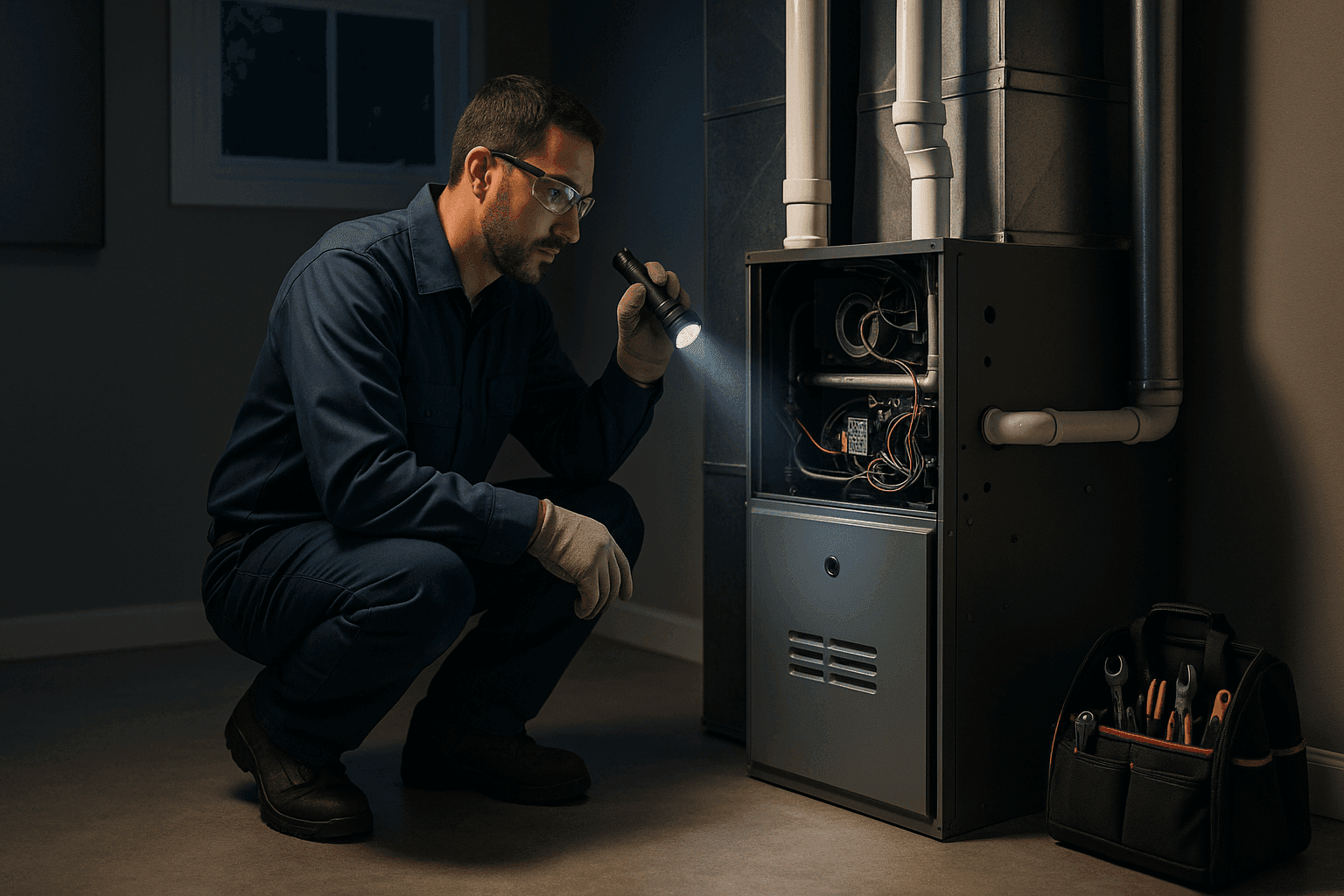
Winter nights get cold—sometimes biting, sometimes brutal. When your furnace suddenly stops heating, it feels like your home is holding its breath. It’s not just about comfort; it’s about safety, sleep, and peace of mind.
At Platts Heating & Air, we know the panic a cold house can bring. Our team has walked into midnight emergencies, icy floors, and worried faces more times than we can count. Here’s what you can do right now if your furnace isn’t blowing warm air—and how to know when it’s time to call in emergency HVAC help.
The Problem: Furnace Not Heating on a Cold Night ❄️
Imagine this: You wake up shivering. The thermostat is set, but the vents blow cold air, or worse, nothing at all. The dog’s curled up tighter. The house is quiet—too quiet. This is the scenario for countless homeowners every winter.
Common signs your furnace isn’t heating:
- Thermostat reads low, even when set higher
- Furnace fan runs but air isn’t warm
- Furnace won’t turn on at all
- Strange noises, clicks, or whirring from the unit
- A burning smell or odd odor
- Cold spots around the house
When it’s below freezing outside, every hour without heat feels like an eternity. Fast action matters.
Quick-Scan Emergency Checklist
Before you panic or call for help, run through this list. Sometimes the solution is simple.
- Check the Thermostat: Is it set to “heat”? Is the temperature set above room temp?
- Power Supply: Look for tripped breakers or blown fuses at the electrical panel.
- Pilot Light (Gas Furnaces): Is the flame burning? If it’s out, follow your manufacturer’s guide to relight, or call for help.
- Air Filter: Is it clogged? A dirty filter can choke airflow and shut systems down.
- Gas Valve: Is it open? If you smell gas, skip everything—see Safety Precautions below.
- Vents & Registers: Are they open and clear of furniture or drapes?
- Furnace Switch: Has the service switch near the furnace been bumped off?
If you spot anything here, fix it if it’s safe. If not, move to the next steps.
Safety Precautions: Stop for These Dangers
Some furnace issues aren’t just inconvenient—they’re dangerous. Always put safety first.
Gas Leaks
Smell rotten eggs or sulfur? That’s a classic sign of a gas leak. According to the U.S. Consumer Product Safety Commission, you should:
- Leave your home immediately.
- Do not use light switches, phones, or anything electrical.
- Call 911 and your gas utility from a safe location.
Electrical Problems
If you see sparks, smell burning plastic, or hear loud popping from the breaker, don’t touch anything electrical near the furnace. Turn off power at the main panel and call for professional emergency HVAC help.
Carbon Monoxide
No heat, plus headaches, dizziness, or nausea? Get outside and call for emergency help. Carbon monoxide is colorless and odorless—but deadly. The CDC recommends every home have a working CO detector near all sleeping areas.
Basic DIY Troubleshooting Steps
If you’ve ruled out emergencies, try these steps before you call for help:
- Reset the Thermostat: Sometimes, simply turning it off and back on can clear glitches.
- Replace the Filter: Even a week of heavy use can clog a filter in winter.
- Check the Furnace Door: Some models have a safety switch that shuts down if the access panel is loose.
- Look for Error Codes: Many modern furnaces have a small window showing blinking lights or error codes—check your manual for what they mean.
- Clear Snow from Outdoor Vents: If you have a high-efficiency furnace, snow or ice can block the intake/exhaust pipes outside.
If these steps don’t restore heat, it’s time to consider your limits.
When to Call a Pro (and What Not to Try)
Home heating systems are like the heart of your house—complex, essential, and sometimes mysterious. There are moments when DIY crosses into risky territory.
Call an emergency HVAC technician if:
- You smell gas or suspect a leak.
- There’s water pooling around the furnace (possible cracked heat exchanger).
- The furnace cycles on and off rapidly (short cycling).
- You have repeated electrical issues or blown fuses.
- The pilot light won’t stay lit, or you see yellow instead of blue.
- You’ve tried the above steps and still have no heat.
Don’t try to fix:
- Gas lines or valves.
- Electrical wiring or control boards.
- Internal furnace components, like the blower or heat exchanger.
These jobs require specialized tools and experience. Mistakes can damage your home—or risk your safety.
What Emergency HVAC Pros Do On Arrival
When you call Platts Heating & Air for emergency HVAC, here’s what to expect:
- Assessment: Quick but thorough—checking thermostat, power, and system diagnostics.
- Safety Checks: Ensure there are no gas leaks, electrical hazards, or carbon monoxide risks.
- System Diagnosis: Use of meters, gauges, and years of experience to pinpoint the problem.
- Repair or Secure: Make immediate repairs if possible, or secure the system to prevent further damage.
- Advice: If a part is needed, or if replacement is the best route, you’ll get clear, honest guidance.
Our pros have seen everything from clogged radiant heating lines to cracked heat exchangers. When the stakes are high, experience matters.
Prevention & Maintenance: Keep the Cold Out
The best emergency is the one you never have. Regular maintenance makes breakdowns less likely—especially on the coldest nights.
Tips for a warm, safe home:
- Change filters monthly during heavy use.
- Schedule annual furnace inspections (before the first frost).
- Keep vents and registers open and unobstructed.
- Test your thermostat batteries every season.
- Ask about whole-house fans or humidifiers to improve comfort and reduce furnace load.
- Consider home energy audits for hidden drafts or insulation issues.
Authoritative sources like the Department of Energy recommend annual professional tune-ups for all residential furnaces.
Costs & Time Factors: What to Expect
Every home and furnace is different, but here’s what affects cost and repair time:
- Type of Furnace: Gas, electric, radiant heating, or mini-split systems have unique parts and fixes.
- Age of System: Older units may need parts that take longer to source.
- Time of Day: Emergency HVAC calls at night or during storms may take longer due to road conditions.
- Complexity: Simple fixes (filters, switches) are fast. Major repairs (motors, heat exchangers) take longer.
Most basic repairs can be handled within an hour or two. More complex issues, like generator installation or duct cleaning, may require a follow-up appointment.
When It’s Truly an Emergency
Sometimes, waiting isn’t an option. Call for emergency HVAC help immediately if:
- Outdoor temperatures are below freezing and you have no heat.
- There are young children, elderly adults, or medically vulnerable people in the home.
- You suspect a gas leak, carbon monoxide, or electrical fire.
- The furnace is making loud, unusual noises (banging, grinding, screeching).
- You experience repeated furnace failures in a single night.
Your safety—and your family’s comfort—comes first.
FAQ: Furnace Not Heating at Night
Q: How do I know if I need emergency HVAC or if it can wait until morning?
A: If you’re without heat during freezing temps, have vulnerable residents, or suspect a gas leak, call right away. If the issue is minor and you have space heaters or other safe heat sources, you may be able to wait.
Q: What should I do while waiting for emergency service?
A: Bundle up, close off unused rooms, and use safe, approved space heaters if you have them. Never use ovens or grills for heat.
Q: Can I relight my own pilot light?
A: Many homeowners can, but only if you follow the manufacturer’s instructions exactly. If you smell gas or feel unsure, wait for a pro.
Q: Will running the furnace with a dirty filter damage it?
A: Yes. It can overheat, shut down, or even crack the heat exchanger over time, leading to costly repairs.
Local & Seasonal Considerations
Every winter is different. In some regions, radiant heating, whole-house fans, or geothermal systems can add complexity to furnace troubleshooting. Storms may cause power outages, so generator installation and maintenance are smart considerations for reliable backup heat.
If you’re searching for “radiant heating near you” or need quick fixes for your HVAC system, remember: homes with lots of pets, dust, or open windows may need more frequent filter changes and maintenance than average.
Why Platts Heating & Air for Emergency HVAC?
For decades, Platts Heating & Air has answered the call, day and night. Our technicians are certified, background-checked, and equipped to handle everything from a stubborn thermostat to full furnace replacement. We arrive ready, respect your home, and prioritize your safety—no matter the hour.
When the cold comes creeping in, you don’t have to wait it out alone. Whether it’s furnace repair, heating installation, mini-split emergencies, duct cleaning, or IAQ testing, we’re always on call.
Call Platts Heating & Air now — or reach us anytime at 888-828-9042 .