Generator Installation for Homeowners: Backup Power Made Simple
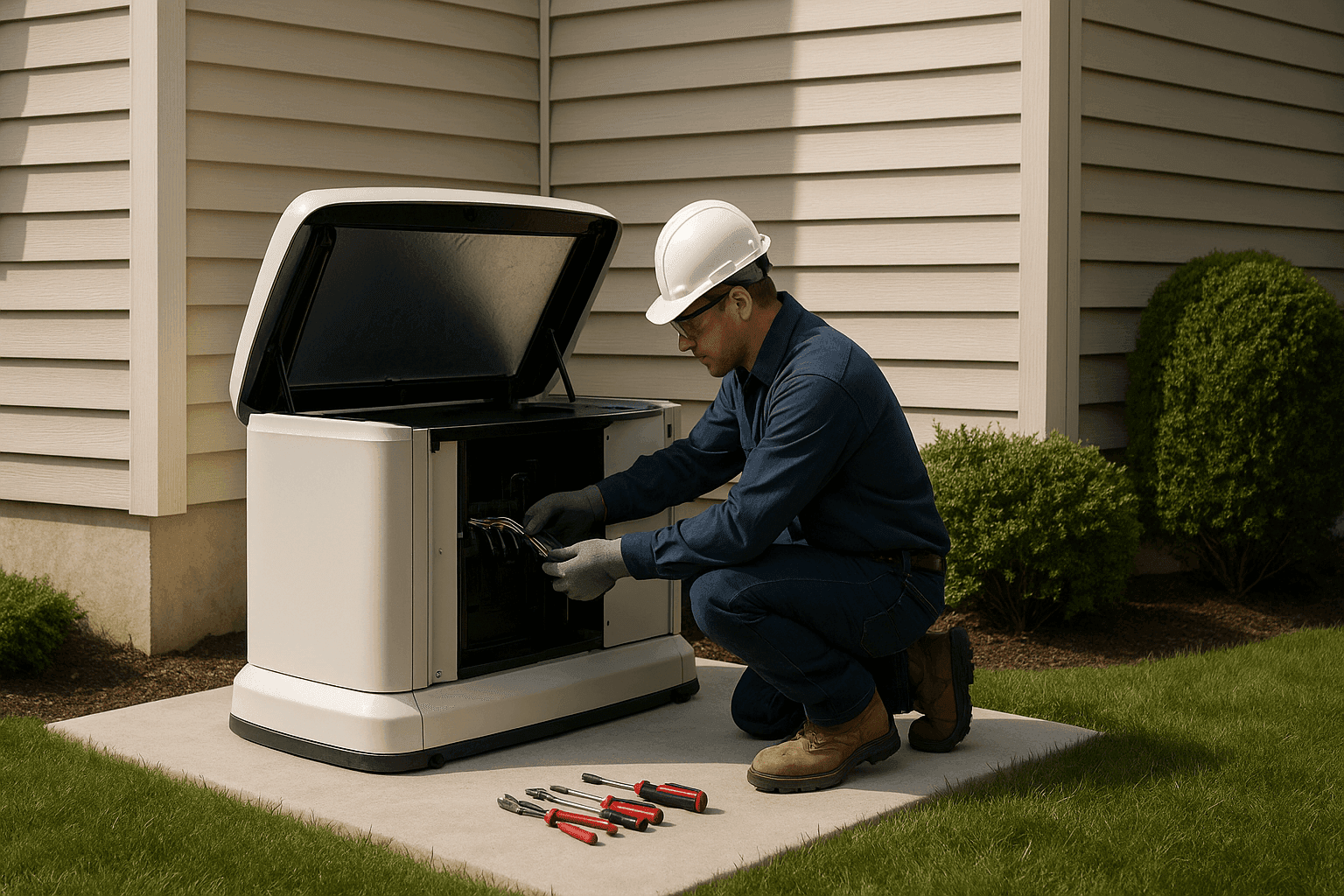
Unexpected power outages can throw your life into chaos. Suddenly, the fridge hums to a halt, the lights blink out, and the comfort of your home vanishes. You wonder how long you’ll be in the dark.
That’s why more homeowners are looking into generator installation. At Platts Heating & Air, we understand the stress of losing power—especially when you need emergency hvac or critical appliances running. This guide breaks down everything you need to know, step by step.
Why Homeowners Need Backup Generators ⚡
Picture this: A summer thunderstorm rolls in. Wind howls. Branches snap. Suddenly, your neighborhood plunges into darkness. Or maybe it’s a winter freeze, when the grid can’t keep up. These moments aren’t rare—they’re becoming part of modern life.
Here’s why backup power matters:
- Storms: Blizzards, hurricanes, and thunderstorms can knock out lines for hours or days.
- Grid Failures: Utility problems, rolling blackouts, or accidents can hit anytime.
- Medical Needs: Some rely on powered medical equipment or refrigerated medicine.
- Comfort and Safety: No heat in winter? No cooling in summer? That’s more than an inconvenience; it’s a risk.
- Protecting Home Investments: Frozen pipes, spoiled food, or sump pump failures can mean big repair bills.
When you’re searching for “Radiant Heating near you” or emergency hvac, reliable backup power keeps your family safe and your home protected.
Types of Home Generators: Portable vs. Whole-House
Not every home needs the same generator. The right solution depends on your needs, space, and budget.
Portable Generators
- Small and versatile—think of them as the “spare tire” of backup power.
- Run on gasoline or propane.
- Must be set up outside each time you use them.
- Power a few appliances or essentials via extension cords or a transfer switch.
- Require refueling during extended outages.
Whole-House (Standby) Generators
- Permanently installed outside your home, like a central AC unit.
- Run on natural gas or propane, rarely gasoline.
- Automatically detect outages and start within seconds.
- Power all, or most, circuits in your home—heat, AC, fridge, lights, even well pumps.
- Little to no manual intervention once installed.
Which is right for you? If you want true peace of mind and seamless transition during an emergency, a standby generator is the way to go. Portable units are better for short outages or when you just need to keep a few things running.
Sizing and Selection: Picking the Right Generator
Choosing a generator is a bit like picking the right size shoes. Too small, and you’ll trip up (that is, overload it). Too large, and you’re paying for power you’ll never use.
Key things to consider:
- Wattage Requirements: List which appliances or systems you want to power. Fridge, furnace, sump pump, lights, WiFi, and more. Add up their running and starting watts (see owner’s manuals or device labels).
- Starting vs. Running Loads: Some appliances need extra power to start up. Factor this in for HVAC units, pumps, and freezers.
- Fuel Type: Natural gas is low-maintenance if you have access. Propane is flexible but needs on-site storage.
- Transfer Switch: Vital for safety and code compliance—this device switches your home from grid to generator power.
- Noise: Whole-house units are quieter than portable ones, but check decibel ratings.
- Location: Generators must be installed outdoors, away from windows and vents, to prevent carbon monoxide risks.
Tip: The National Fire Protection Association (NFPA) and local building codes set guidelines for safe generator installation. Always check these before you buy.
Installation Steps & Safety Requirements
Installing a generator is not a simple plug-and-play affair. It’s more like setting up a trusted guard dog—one that needs a strong leash and a safe place to rest.
What to Expect During Installation
- Site Assessment: Pros evaluate your electrical panel, gas lines, and outdoor space.
- Permits and Codes: Local rules may require permits and inspections. Following the National Electrical Code (NEC) is a must.
- Pad and Placement: Whole-house generators need a stable, level pad—usually concrete or composite.
- Electrical Connections: Licensed electricians install a transfer switch and connect wiring.
- Gas Line Hookup: Connections for natural gas or propane, tested for leaks.
- Testing: System is tested under load to ensure it powers your selected circuits smoothly.
- Owner Walkthrough: You’ll learn basic operation, maintenance tips, and safety checks.
Safety Requirements
- Never install a generator indoors or in a garage. Carbon monoxide is deadly.
- Maintain clearances: At least 5 feet from windows, doors, and vents (check manufacturer’s specs).
- Professional installation: Avoid DIY wiring or gas line connections.
- Use a transfer switch: Prevents dangerous backfeed into utility lines (protects line workers and your equipment).
Refer to resources from the U.S. Consumer Product Safety Commission and the National Fire Protection Association for more on generator safety.
Quick Safety Checklist ✅
- Only run generators outdoors, far from doors and windows.
- Install carbon monoxide detectors in your home.
- Never plug a generator directly into a wall outlet.
- Use heavy-duty, outdoor-rated extension cords if you’re using a portable.
- Schedule regular maintenance—oil changes, filter checks, and test runs.
DIY or Call a Pro?
Some home projects are perfect for a Saturday afternoon. Generator installation isn’t one of them.
DIY may seem tempting, but:
- Electrical and gas work is risky without proper training.
- Mistakes can void warranties or lead to insurance issues.
- Improper setup can put your family and neighbors in danger.
When to bring in a pro:
If you want it done right, safely, and in compliance with all codes—call a certified technician. Emergency hvac and generator installation go hand in hand.
What Pros Do On Arrival
Expect your technician to:
- Inspect your existing electrical and gas setup.
- Help you size the right generator for your needs.
- Handle all permits and coordinate with local inspectors.
- Install the transfer switch and generator pad.
- Run all electrical and fuel connections, ensuring code compliance.
- Test the system under real conditions.
- Walk you through operation, maintenance, and troubleshooting.
This process keeps you safe and your investment protected.
Prevention & Maintenance: Keep Your Power Reliable 🔧
A generator is like a car—it needs regular care to run when you need it most.
Basic generator maintenance tips:
- Start and run your generator every month, even if you don’t need it.
- Change oil and filters according to the manufacturer’s schedule.
- Inspect for fuel leaks or corrosion.
- Clear leaves, snow, or debris from around the unit.
- Schedule a professional service at least once a year.
If you’re not comfortable with maintenance, professional generator maintenance services (like from Platts Heating & Air) keep your system ready for the worst.
Costs & Time Factors: What to Expect
How much does it cost? It’s a bit like asking, “How much is a car?” The answer depends on size, fuel type, installation complexity, and home layout.
- Portable Generators: $500–$2,500 (unit only). Add installation for transfer switches.
- Whole-House Standby Generators: $6,000–$15,000 (including installation for most homes).
- Installation Timeline: 1–2 days for most jobs once permits are ready.
- Permits/Inspections: Can add extra days or weeks depending on local rules.
Remember—cheaper isn’t always better. Professional installation saves money in the long run by avoiding code violations and unsafe setups.
When It’s an Emergency: What to Do Next 🚨
If you’ve lost power and need immediate backup, stay calm.
- Stay Clear of Downed Power Lines: Call local authorities if you see one.
- Don’t Use Portable Generators Indoors: Serious carbon monoxide risk.
- If you smell gas, evacuate the home and call the gas company.
- Call Platts Heating & Air—we offer 24 hour emergency service to get your generator up and running safely.
Having a pre-installed generator means you won’t have to scramble when the lights go out.
FAQ: Common Generator Questions
How long does a whole-house generator run?
Most standby generators can run for days on end, as long as they have fuel (natural gas supply or a full propane tank). Regular maintenance is key for reliability.
Will a standby generator power my entire home?
It depends on the size. Some are sized for essentials (heat, AC, fridge) while larger models can run everything.
Can I add a generator to an existing home?
Absolutely—most homes can be retrofitted, though the installation process varies depending on your panel, fuel availability, and space.
What’s the difference between a transfer switch and a regular outlet?
A transfer switch safely isolates your home from the utility grid, so generator power doesn’t backfeed. This is required by code for permanent installations.
Local & Seasonal Considerations
Think about your local climate and neighborhood needs:
- Cold winters? Backup heat is essential. Consider generator placement to avoid snow drifts.
- Storm-prone areas? Make sure your generator is elevated above flood risk zones.
- Urban vs. Rural: Access to natural gas, propane deliveries, or noise ordinances may affect your choices.
If you’re searching for “Radiant Heating near you” or emergency hvac, a standby generator is the best insurance for year-round comfort.
Why Platts Heating & Air?
Our technicians are certified, insured, and follow all local codes and safety standards. We handle everything—from initial assessment to final walkthrough—so you don’t have to worry about hidden risks or code violations. Platts Heating & Air stands by its work, keeping your home safe and your power reliable, day or night.
Call Platts Heating & Air now — or reach us anytime at 888-828-9042 .