Heating Maintenance: How to Prepare Your System for Winter
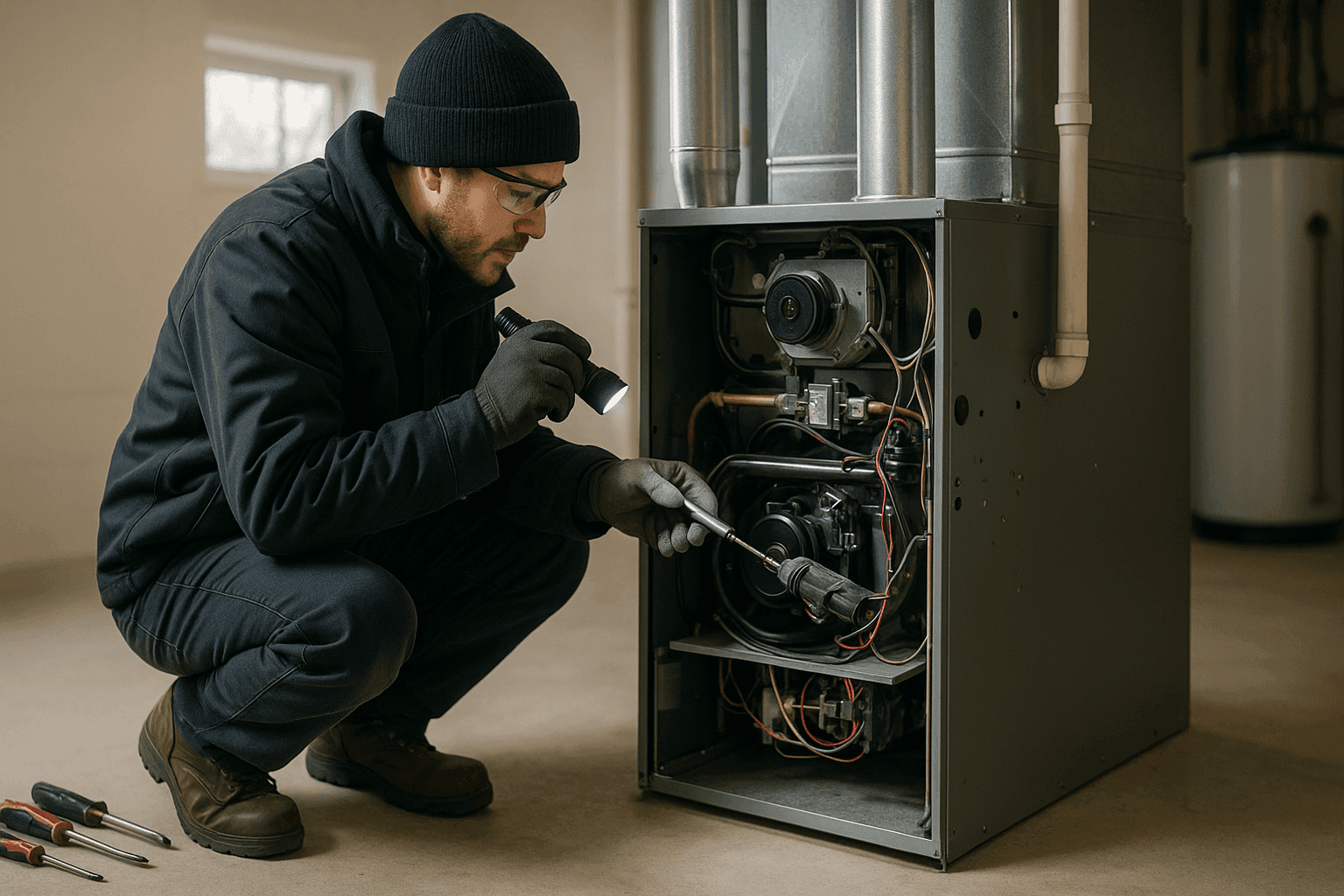
Winter sneaks up fast. One day you’re grilling outside, the next you’re hunting for fuzzy socks and wondering if your heat will hold out till spring. At Platts Heating & Air, we’ve seen all kinds of winter surprises—burst pipes, silent furnaces, and families huddled in sweaters indoors.
Heating maintenance isn’t just a checklist. It’s your first line of defense against frozen mornings and emergency hvac calls. Our technicians help homeowners stay ahead of the cold, and we’re here to guide you through the steps that keep your system running strong.
Why Winter Heating Maintenance Matters ❄️
Imagine your heating system as the heart of your home. When it’s working well, everyone’s comfortable. But skip a beat—a clogged filter, a weak pilot light, or a neglected thermostat—and things go sideways fast.
Winter strains every part of your system. Dust settles in ducts. Filters clog. Small issues from summer balloon into big problems when the temperature drops. According to the U.S. Department of Energy, regular maintenance can improve efficiency by up to 20%—and can help you catch safety hazards early, too.
If you’re looking for “Radiant Heating near you,” or just hoping to avoid a midnight emergency hvac visit, it’s time to get proactive.
Quick Safety Checklist Before Winter Hits
A little prevention goes a long way. Here’s what every homeowner should do before the first frost:
- Change or clean air filters—Dirty filters force your system to work harder and spread dust.
- Test the thermostat—Switch between heat and cool to make sure it responds. If you use programmable or smart thermostats, double-check winter schedules.
- Inspect vents and registers—Clear away furniture, rugs, and dust for even airflow.
- Check the pilot light (if applicable)—A steady blue flame is what you want. Flickering or yellow? It’s time for a pro.
- Listen for odd noises—Banging, scraping, or rattling usually means something’s loose or worn.
- Look for leaks—Moisture around your furnace or boiler signals trouble.
- Carbon monoxide detectors—Test batteries and replace units older than five years.
- Examine visible wiring and connections—Frayed or corroded wires are a serious risk.
- Scan for unusual odors—A musty or burning smell isn’t normal.
These are the basics, but they’re powerful. Ignoring them can lead to breakdowns, higher bills, or even carbon monoxide risks.
DIY Heating Checks vs. Calling a Pro
Some tasks are perfect for a Saturday afternoon. Others? Best left to someone with the right tools and training. Here’s how to split the work:
DIY-Friendly
- Swapping out air filters
- Vacuuming vents and baseboards
- Resetting your thermostat
- Clearing clutter from around the furnace or heat pump
- Checking batteries in detectors
When to Call Platts Heating & Air
- Pilot light troubleshooting or relighting
- Deep cleaning burners or heat exchangers
- Inspecting gas lines and connections
- Testing electrical components
- Full system tune-ups, especially for radiant heating, mini-splits, or geothermal systems
Tip: If you smell gas, hear persistent loud noises, or notice the system cycling on and off rapidly, stop and call for emergency hvac help. Safety always comes first.
What Our Technicians Do When They Arrive
Our approach is thorough—think of it as a winter boot camp for your heating system. Here’s what a Platts technician brings to your door:
- Multi-point inspection (furnace, boiler, or heat pump)
- Checking and cleaning burners, flame sensors, and blowers
- Calibrating the thermostat and safety controls
- Inspecting heat exchangers for cracks (per National Fire Protection Association guidelines)
- Testing carbon monoxide output
- Lubricating moving parts
- Tightening electrical connections and checking for corrosion
- Verifying proper airflow and air balancing
- Reviewing the age and condition of parts for early wear
We also provide recommendations—whether it’s a new filter, duct cleaning, or an upgrade like a whole-house fan or humidifier.
Prevention & Ongoing Maintenance
The best defense is a good offense. Here’s how to keep your system humming all winter:
- Monthly: Check and replace filters as needed. Dust off registers and thermostats.
- Every fall: Schedule a professional tune-up before heavy use.
- Annually: Have air ducts and vents cleaned, especially if you have pets or allergies.
- Every few years: Consider a home energy audit to spot insulation or airflow issues (U.S. Energy Star recommends audits for older homes).
- Upgrade when needed: Modern thermostats, air scrubbers, and dehumidifiers can improve comfort and efficiency.
Preventative care also means less chance of those late-night emergency hvac calls, and more peace of mind for the whole family.
Costs & Time Factors
A little planning helps avoid sticker shock. Here’s what to expect:
- DIY maintenance: Filters and basic tools are affordable (often $10–$40 per filter).
- Professional tune-ups: Usually take 60–90 minutes. Costs depend on system type and age, with specialty equipment like radiant heating or geothermal requiring more time and expertise.
- Emergency repairs: These can add up—especially if parts are needed after hours. Preventative maintenance is always less expensive than last-minute fixes.
- Upgrades: New thermostats, humidifiers, or filter systems can range from modest investments to larger projects, but often pay off in comfort and savings.
When It’s an Emergency 🚨
Sometimes, things just go wrong—fast. It’s important to know when to call for immediate help:
- Heat won’t start and outside temperatures are freezing
- Strange smells: rotten eggs (gas leak), burning plastic, or smoke
- Carbon monoxide alarms sounding
- Electrical issues: sparking or smoking at the furnace
- Water pooling near the system
If any of these happen, don’t wait. Turn off the system and call Platts Heating & Air for emergency hvac service. Your safety is priority number one.
Frequently Asked Questions
How often should I replace my furnace filter?
Most filters need changing every 1–3 months, especially in winter when the system runs more. Check manufacturer advice for your unit.
Is annual heating maintenance really necessary?
Yes. Just like a car, your heating system needs regular checks to run safely and efficiently. Annual tune-ups catch small issues before they become big repairs.
Can I clean ducts myself?
Surface cleaning (vacuuming registers) is fine, but full duct cleaning needs specialized tools. Professional cleaning also checks for leaks or mold, something DIY can’t guarantee.
What’s the difference between emergency hvac and regular maintenance?
Emergency hvac is for urgent issues—no heat, carbon monoxide, major leaks. Regular maintenance is planned care, preventing emergencies and extending your system’s life.
Local and Seasonal Considerations 🌨️
Every winter is different. In some areas, humidity drops and static increases, making humidifiers or air scrubbers more important. In others, extreme cold puts extra strain on older systems, and radiant heating or mini-splits see heavy use.
If your home is drafty or you’ve noticed uneven heating, consider air balancing or a home energy audit before winter sets in. And remember—if you’re searching for “Radiant Heating near you” or need 24-hour emergency hvac, Platts Heating & Air is just a call away.
Why Homeowners Choose Platts for Winter Prep
Our team is trained on every system—old and new. We don’t just swap filters and leave. We look for early warning signs, test for safety, and share practical advice for your unique setup. From geothermal to furnace repair, we help homeowners avoid costly surprises and enjoy steady, reliable comfort all winter.
Let us help you stay ahead of the cold. One call, and you’re ready for whatever winter brings.
Call Platts Heating & Air now — or reach us anytime at 888-828-9042 .