Do You Need a Home Energy Audit? How It Saves Money and Comfort
Ever wonder why your heating or cooling system seems to work overtime—yet your house never feels just right? Maybe your utility bills keep climbing, but you can’t put your finger on why. You’re not alone. Many homeowners are searching for ways to save money, stay comfortable, and make sure their HVAC system is running at its best.
At Platts Heating & Air, we know how confusing it can feel. That’s why we offer professional home energy audits, designed to give you clear answers—fast. If you’re considering radiant heating near you, need emergency hvac help, or just want to breathe easier at home, a home energy audit is your first step.
Why Get a Home Energy Audit? 🏠
Think of your house as a living, breathing system. Every window crack, insulation gap, or leaky duct is like a hole in your wallet. Energy escapes, comfort slips away, and your HVAC system has to work double-time. That means higher bills and more wear and tear.
A home energy audit shines a flashlight into every corner of your home. It reveals hidden problems—many you’d never spot on your own. The result? You get a clear roadmap for saving money and boosting comfort, all backed by real data.
What’s Included in a Professional Audit
A professional home energy audit is more than just a walk-through. Platts Heating & Air uses industry-leading tools, recommended by the U.S. Department of Energy and local building codes. Here’s what you can expect:
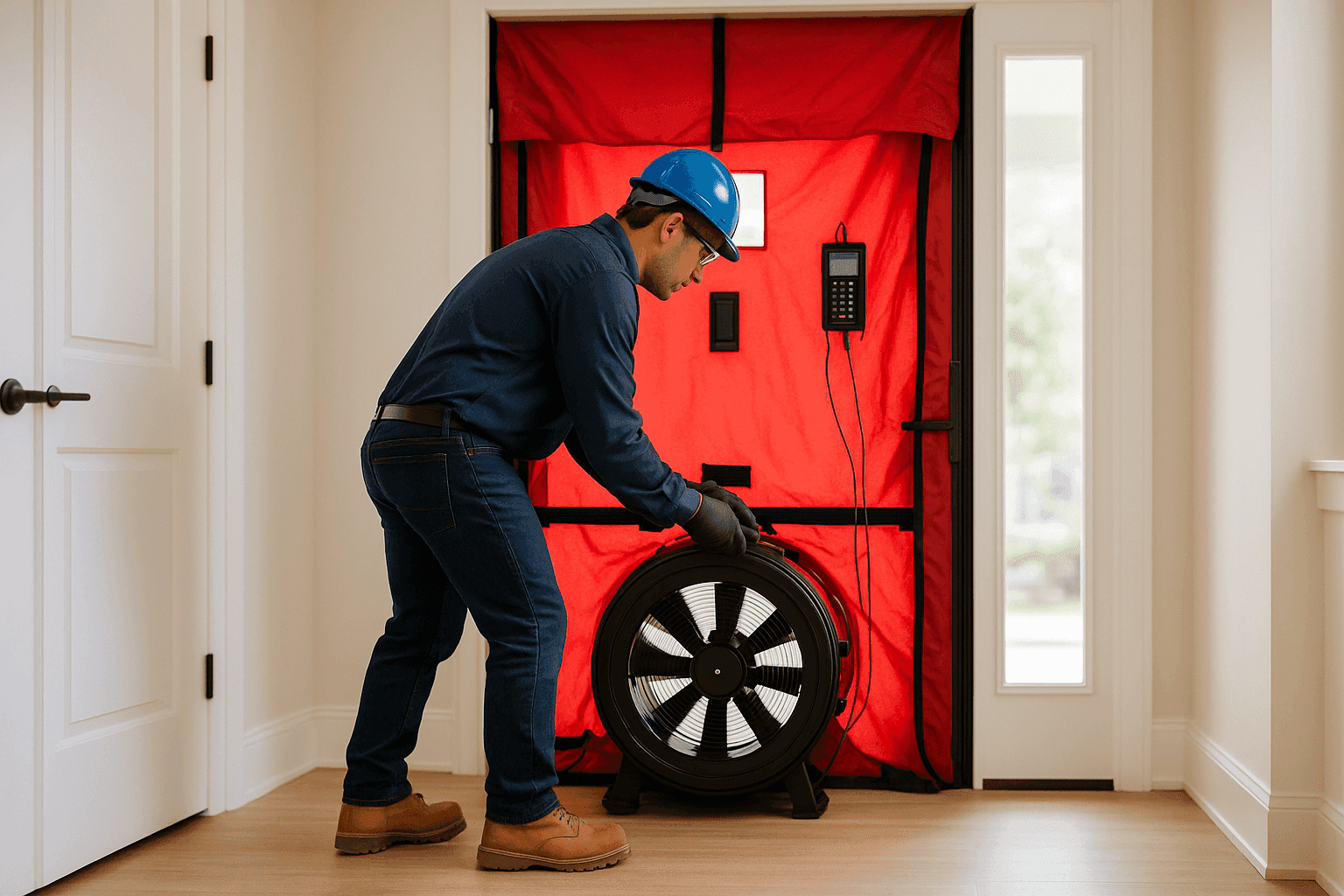
Blower Door Test
Picture a giant fan installed in your doorway. When switched on, it gently pulls air out of your home, revealing where outside air sneaks in—think of it as a wind tunnel for leaks. We measure just how drafty your house really is.
Thermal Imaging
Thermal cameras act like x-ray goggles for your walls and ceilings. Cold spots show up in blue, hot spots in red. This helps us find missing insulation, hidden leaks, or poorly sealed windows—right down to the inch.
Ductwork Inspection
Even the best HVAC system can’t do its job if your ducts are leaking. We check every joint and seam, making sure air gets where it’s supposed to go. No more paying to heat or cool your attic.
Additional Steps
- Inspecting insulation quality in walls and attics
- Examining doors, windows, and weatherstripping
- Checking HVAC equipment efficiency, filters, and thermostat settings
- Assessing indoor air quality (IAQ) with advanced sensors
Our team is trained in ASHRAE and BPI standards, ensuring your audit is thorough and up to code.
How to Prepare for Your Home Energy Audit
Getting ready is simple. Here are a few tips to make the process smooth:
- Make a list of comfort issues: Are there rooms that are always cold? Drafty spots? Odors or stuffiness?
- Clear access to attics, basements, and crawl spaces.
- Gather recent utility bills for review.
- Secure pets for the technician’s safety.
- Plan for 2–4 hours at home during the audit (most homes).
Think of it like a doctor’s visit—your input helps us diagnose the real issues.
What Results Should You Expect?
After your audit, you’ll get a comprehensive report. But don’t worry—it’s easy to understand. Here’s what you’ll walk away with:
- A prioritized list of upgrades, from quick fixes to bigger projects
- Estimated cost savings for each recommendation
- Photos and infrared images from your home
- Safety and code compliance tips (based on recommendations from ENERGY STAR and local authorities)
- A clear path for next steps—whether it’s sealing leaks, adding insulation, or upgrading your HVAC
Most importantly, you’ll know exactly where your money is going—and how to stop wasting it.
Before-and-After Case Studies
Family A: The Drafty Bungalow
Before: A 1950s home with chilly bedrooms and rising heating costs. The audit uncovered gaps in attic insulation and leaky ductwork.
After: Sealing those leaks and adding insulation cut their heating bill by 25%. Bedrooms stayed warm, and their furnace ran less often.
Family B: The Stuffy Ranch
Before: Summer was a sweat-fest. AC ran constantly, but humidity stayed high. The audit found poorly sized ductwork and a clogged filter.
After: New ducts and a high-MERV filter improved airflow and air quality. The house cooled evenly, and their AC cycles dropped by 30%.
Family C: The All-Electric New Build
Before: High utility bills despite modern construction. The thermal camera revealed missing insulation behind drywall and a miscalibrated thermostat.
After: Re-insulating problem areas and recalibrating controls brought comfort up—and bills down by 20%.
How Audits Influence HVAC Upgrades
Thinking about radiant heating near you, or maybe a whole-house fan? A home energy audit is the first step before any upgrade. Here’s why:
- Pinpoints which improvements will have the biggest impact
- Ensures new equipment (like mini-splits or heat pumps) is sized right for your real needs
- Avoids wasting money on upgrades that won’t fix the real problems
- Provides documented findings to support rebate or incentive claims (where available)
When it comes to emergency hvac help, knowing your home’s “energy fingerprint” speeds up problem-solving and repairs—saving time and stress.
Platts’ Credentials and Technology
Our certified technicians use state-of-the-art tools—just like the ones recommended by the U.S. Department of Energy and Home Performance with ENERGY STAR. We invest in regular training to stay current with evolving codes, IAQ standards, and best practices.
Platts Heating & Air is proud to serve your emergency hvac needs with 24-hour response, as well as scheduled energy audits for long-term savings and comfort.
Practical Tips to Reduce Energy Loss
While you’re waiting for your audit, try these quick wins:
- Replace or clean your HVAC filters monthly (check manufacturer guidelines)
- Set your thermostat to 68°F in winter, 78°F in summer (per ENERGY STAR)
- Seal obvious drafts with weatherstripping or caulk
- Use ceiling fans to circulate air year-round
- Schedule regular HVAC maintenance to catch small issues early
Remember: Small changes add up. But a professional audit gives you the clearest path forward.
Home Energy Audit FAQ 💡
How long does a home energy audit take?
Most homes take 2–4 hours, depending on size and complexity. Older or larger homes may need a bit more time.
Will I need to make upgrades right away?
No. Your audit report is a guide, not a to-do list. Prioritize what fits your budget and comfort needs.
Can a home energy audit help with indoor air quality?
Absolutely. Our audits include IAQ checks, helping you find hidden sources of dust, allergens, or moisture.
Is a home energy audit disruptive?
Not at all. We work carefully, with minimal impact on your day. Our tools are safe for kids and pets.
Seasonal and Local Considerations
Your energy needs change with the seasons. In summer, keeping cool and controlling humidity are top priorities. In winter, heat retention and air quality come first. Home energy audits by Platts Heating & Air are tailored to your local climate and building codes, ensuring results that matter for your region.
From radiant heating near you to emergency hvac solutions in the dead of winter, our audits set the stage for real comfort all year long.
A Final Word: Your Comfort, Your Savings
Energy costs aren’t getting any lower. But with Platts Heating & Air, you don’t have to guess where your money is going. Our home energy audits put the answers—and the power to change—in your hands.
Ready to take control of your comfort and costs?
Call Platts Heating & Air now — or reach us anytime at 888-828-9042 .