How Much Does a New HVAC System Cost? Pricing Guide for Homeowners
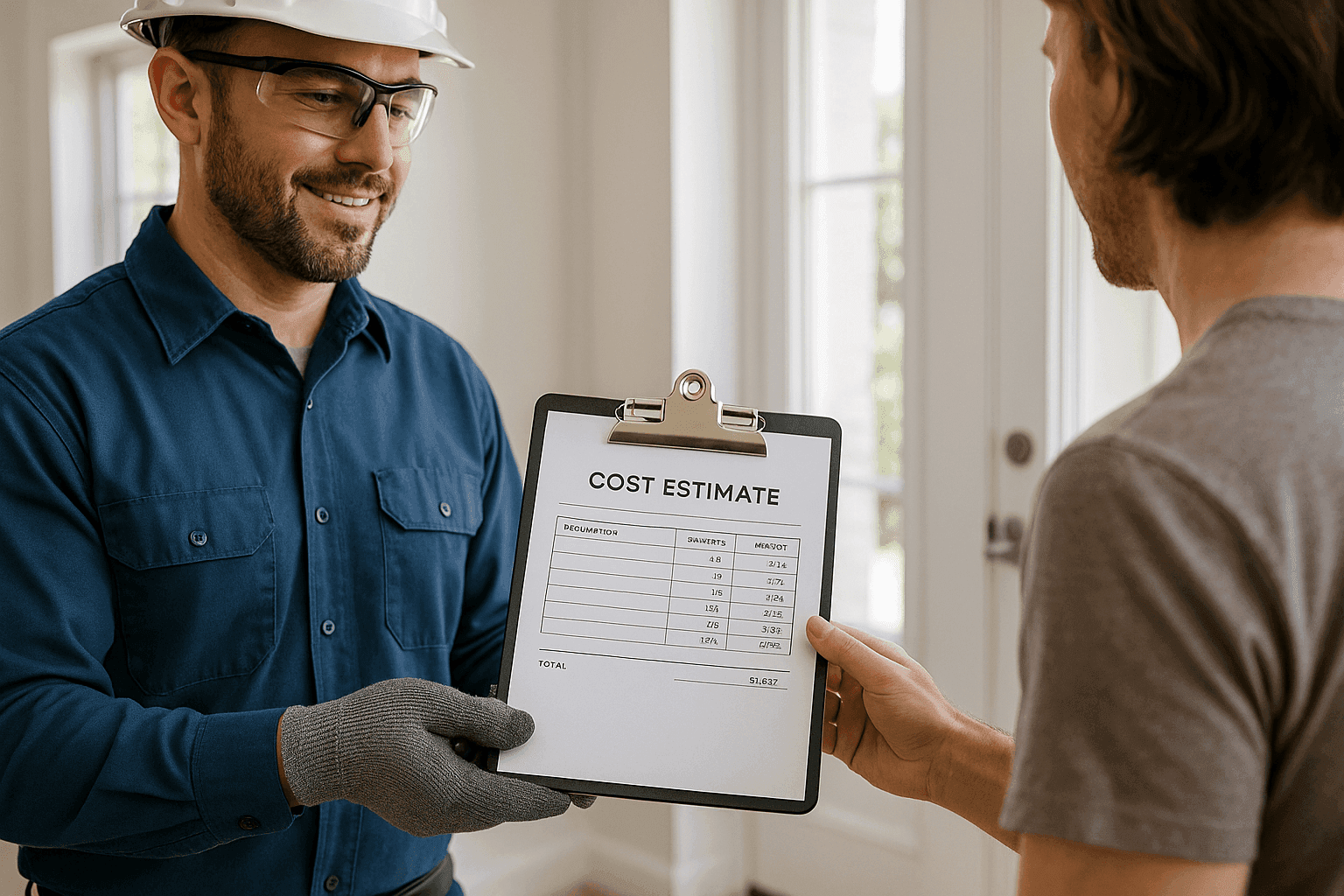
Ever feel like figuring out the price of a new HVAC system is like trying to solve a jigsaw puzzle—without the box for reference? You’re not alone. Homeowners across the country ask, “How much does a new system really cost?” The answer depends on a swirl of factors, but you deserve clarity—especially when your comfort is on the line.
At Platts Heating & Air, we help families just like yours make sense of HVAC pricing, from Radiant Heating near you to whole-house upgrades. Whether it’s a sudden breakdown or long-term planning, this guide lays out what you need to know, in plain English.
The Real Cost of a New HVAC System: What’s Involved? 🏡
Think of your HVAC system like the engine of your home’s comfort. But not all engines—or homes—are the same. Here’s what shapes the price tag:
- Equipment Type: Central air, mini-splits, heat pumps, geothermal—each has its own ballpark.
- Home Size & Layout: Bigger homes need bigger systems. Odd shapes? Expect custom solutions.
- Labor & Installation: It’s not just plugging in a box. Skilled labor, code compliance, and safety checks all matter.
- Regional Climate: Winters in Maine vs. summers in Arizona? Your system must handle local extremes.
Let’s break these down, so you can plan with confidence.
Equipment Type: Central Air, Mini-Splits, or Geothermal?
Imagine picking a car. A compact? SUV? Hybrid? Each has perks and price implications. HVAC is similar:
- Central Air Conditioning & Furnace: Standard for many U.S. homes. Typically $7,000–$13,500 installed, depending on brand and efficiency.
- Ductless Mini-Splits: Perfect for additions or homes without ducts. Range: $4,000–$10,000 per home (more for multi-zone).
- Geothermal Systems: The Prius of home comfort—efficient, eco-friendly, but higher upfront. Average $18,000–$35,000.
- Radiant Heating: Cozy and silent, but higher install costs—often $7,000–$18,000+ depending on square footage.
When comparing, remember: The sticker price is just the start. Efficiency, energy savings, and lifespan all matter.
Home Size, Age, and Layout: Why Square Footage Sets the Tone 📏
Picture pouring lemonade into cups. One pitcher won’t fill a crowd—same with HVAC. The larger your home, the more powerful (and often pricier) your system needs to be.
- Under 1,500 sq ft: Smaller units, lower install cost.
- 1,500–2,500 sq ft: Medium capacity, more ductwork, higher labor.
- 2,500+ sq ft or multi-story: Custom sizing, possibly zoned systems.
Age and layout play a role too. Older homes may need duct upgrades or electrical work. Open-concept living? It changes air flow and load calculations.
Labor, Installation, and Safety: More Than Just Plug-and-Play
Hiring a pro isn’t just for peace of mind. Skilled installation means better efficiency, longer system life, and—most importantly—safety. According to the International Code Council and the Air-Conditioning, Heating, and Refrigeration Institute (AHRI), improper installation is a leading cause of system failure.
- Labor: Often 30–50% of total cost. Licensed, insured technicians are a must.
- Permits & Code Compliance: Required by most local governments. Costs vary.
- Old System Removal: Hauling away old equipment adds time and labor.
A trustworthy contractor will walk you through every step, so there are no surprises.
Regional Climate: Why Location Matters 🌦️
Your neighbor’s HVAC in Seattle isn’t built for Texas heat. Local climate shapes what you need:
- Hot, Humid Climates: Larger cooling capacity, dehumidifiers, higher SEER ratings.
- Cold, Dry Climates: Stronger heating, humidifiers, efficient furnaces.
- Mixed Climates: Heat pumps or dual-fuel systems offer flexibility.
Local building codes and rebates can also affect your choices.
Common Add-Ons: Ductwork, Thermostats, Air Quality Upgrades
Upgrading your HVAC is a chance to tackle comfort and efficiency extras:
- Ductwork: New or replacement ducts range from $2,500–$7,000, depending on home size and complexity.
- Smart Thermostats: Control from your phone. Usually $250–$600 installed.
- Air Quality Upgrades: Filters, air scrubbers, humidifiers, and dehumidifiers improve comfort and health. From $400 to $4,000+.
- Home Energy Audits: Often required for rebate eligibility. Around $300–$600.
Don’t forget generator installation or maintenance if you want peace of mind during storms.
How Much Should You Budget? National Averages & Regional Variations 💵
Here’s a snapshot of what homeowners nationwide are paying:
- Central HVAC System (new or replacement): $7,000–$13,500
- Ductless Mini-Splits: $4,000–$10,000 (single zone); up to $18,000 (multi-zone)
- Geothermal: $18,000–$35,000
- Radiant Heating: $7,000–$18,000+
- Air Scrubbers, Humidifiers, Dehumidifiers: $400–$4,000+
- Ductwork Upgrades: $2,500–$7,000
- Smart Thermostats: $250–$600
Regional Adjustments:
- Northeast and West Coast: Higher labor rates and permit fees.
- Midwest and South: Moderate equipment costs, but climate needs vary.
- Mountain and rural regions: Delivery and accessibility can add costs.
Other Factors: What Can Change the Cost?
Every home is unique, and so is every install. Here are variables that might raise or lower your final bill:
- Accessibility: Hard-to-reach attics, basements, or crawl spaces mean more labor.
- Electrical Upgrades: Needed for older homes or high-efficiency equipment.
- Sheet Metal Work: Custom ductwork or ventilation for kitchens (like hood & exhaust).
- IAQ Testing: Ensures your indoor air is healthy—important for families with allergies.
Financing, Rebates, and Long-Term Savings
A new HVAC isn’t pocket change, but it’s an investment in comfort and efficiency.
Financing Options:
- Many homeowners opt for payment plans or home improvement loans.
- Some utility companies offer on-bill financing for energy-saving upgrades.
Rebates & Tax Credits:
- Federal, state, and local rebates may offset costs. Check the Department of Energy and ENERGY STAR for current offers.
- Heat pumps, geothermal, and high-efficiency furnaces often qualify for incentives.
Energy Savings Over Time:
- High-efficiency systems can cut utility bills by 20–40% over older models (U.S. Department of Energy).
- Smart thermostats and improved air sealing add up to more savings.
How to Compare HVAC Quotes (and What to Ask)
Not all quotes are created equal. Here’s how to make sure you’re comparing apples to apples—not apples to oranges.
- Ask for a Written Estimate: Should include equipment brand/model, labor, permits, and add-ons.
- Verify Licensing & Insurance: Protects your home and your wallet.
- Request Load Calculations: A true pro will measure your home and recommend the right size—not just the biggest (or cheapest) system.
- Review Warranty Details: Know what’s covered and for how long.
- Ask About Maintenance: Regular service extends system life and keeps warranties valid.
Should You DIY or Call a Pro?
HVAC isn’t like painting a wall or assembling a bookshelf. The risks—fire, carbon monoxide, electrical hazards—are very real. Most building codes require licensed installation to protect your safety.
DIY:
- Only for filter changes or simple thermostat swaps.
- Anything involving refrigerant, gas lines, or heavy wiring? That’s pro territory.
Call a Pro:
- For new installs, major repairs, and any emergency hvac need.
- Your family’s comfort and safety depend on it.
Quick Safety Checklist Before You Start 🛑
- Confirm your installer is licensed, bonded, and insured.
- Check for required permits.
- Ask for a final walkthrough and demonstration of your new system.
- Know where your shutoff switches are located.
When It’s an HVAC Emergency
Sometimes, you can’t wait. If your system fails in extreme weather, call a 24 hour emergency hvac service immediately.
What to expect:
- Fast triage over the phone to identify urgent hazards.
- Priority scheduling for repairs, especially for vulnerable family members.
- Temporary solutions if parts are delayed.
FAQ: Homeowner Questions About HVAC Pricing
Q: How long does it take to install a new HVAC system?
A: Most installs take 1–3 days, but complex jobs (like full duct replacements or geothermal) can run up to a week.
Q: Will a new system really lower my energy bills?
A: Yes. Modern systems are far more efficient. The U.S. Department of Energy estimates savings up to 40% over old units.
Q: Do I need to replace my ductwork too?
A: Not always. But old, leaky, or undersized ducts can sabotage a new system’s efficiency.
Q: What if my home has special needs (allergies, pets, historic features)?
A: Air quality upgrades, specialty filters, and custom ductwork can be tailored for your situation.
Local and Seasonal Factors
Every region has its quirks.
- Spring & Fall: Best times for installation—contractors are less busy, and you may score off-peak savings.
- Summer & Winter: Emergency hvac calls spike; demand may push up labor rates.
- Local Codes & Rebates: Always ask about local incentives and required inspections.
Ready for Your HVAC Project? Let’s Talk.
Your home—and your comfort—deserve more than a one-size-fits-all answer. Whether you’re facing a sudden breakdown or planning ahead, Platts Heating & Air brings clarity, safety, and real value to every project. Talk to us about Radiant Heating near you, energy audits, AC repair, and everything in between.
Call Platts Heating & Air now — or reach us anytime at 888-828-9042 .