Indoor Air Quality 101: Protecting Your Family at Home
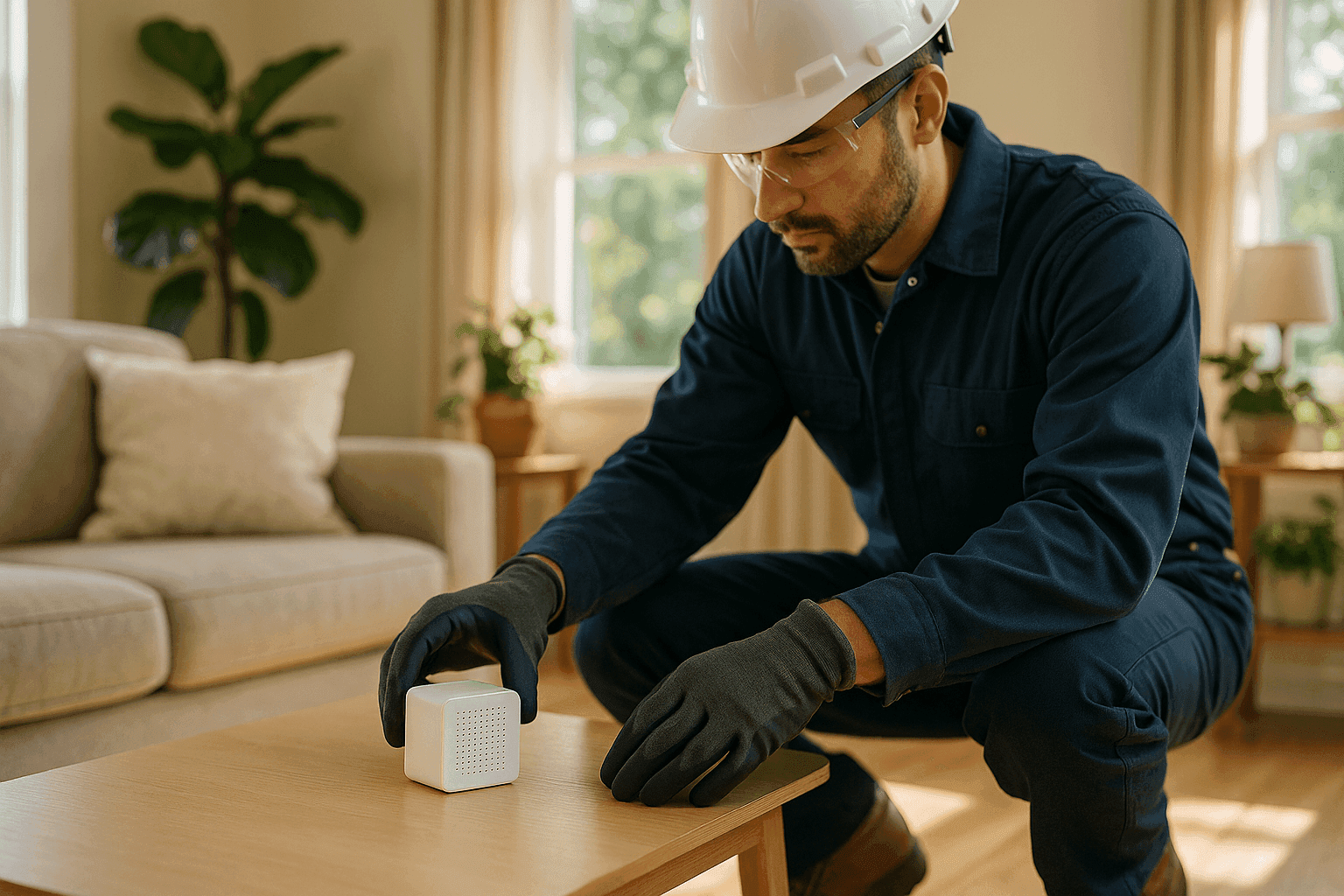
The air inside your home is invisible, but it’s one of the biggest factors in your family’s health and happiness. If you’ve ever noticed a lingering smell, felt stuffy or sneezy indoors, or worried about allergies, you’re not alone. At Platts Heating & Air, we work with families every day who want to breathe easier and live better.
Indoor air quality (IAQ) isn’t just a comfort issue. It can impact sleep, trigger asthma, and even drive up your energy bills. Let’s break down the biggest threats, how to spot them, and what you can do—right now—to make your home safer.
The Most Common Indoor Air Quality Threats 🏠
Dust: Not Just a Nuisance
Dust is like glitter—it gets everywhere, hides in corners, and is almost impossible to get rid of completely. But dust isn’t just dirt. It’s a mix of dead skin, pet dander, pollen, tiny fabric fibers, and even dust mites. Breathing it in can irritate your lungs, especially for kids or anyone with asthma.
Where does dust come from?
- Carpets and rugs
- Bedding and furniture
- Heating and cooling vents
- Shoes tracking in dirt
Regular vacuuming helps, but if dust keeps coming back fast, it’s time to check your HVAC filters and ductwork.
Volatile Organic Compounds (VOCs): The Invisible Invader
VOCs are gases released by everyday items—like paint, cleaning sprays, air fresheners, and even new furniture. They can make your home smell “chemical” and, over time, can lead to headaches or other health issues.
Common sources:
- Freshly painted rooms
- New carpets or flooring
- Scented candles and air fresheners
- Household cleaners
The EPA warns that VOCs build up fast in closed spaces. Good airflow and choosing low-VOC products help keep levels down.
Humidity: Too High or Too Low
Humidity is the Goldilocks of home comfort—not too high, not too low. If air is damp, mold and dust mites thrive. Too dry? You’ll notice dry skin, irritated sinuses, and static shocks.
Warning signs:
- Condensation on windows (too humid)
- Cr--- title: "Indoor Air Quality 101: Protecting Your Family at Home" description: "Discover how to test and improve indoor air quality, reduce allergens, and keep your family healthy with tips from Platts Heating & Air." excerpt: "Learn how to protect your family with indoor air quality tips and solutions from Platts Heating & Air." date: "2025-11-30T04:14:48.364Z" author: "Platts Heating & Air" tags: [indoor air quality, emergency hvac, radiant heating near you, duct cleaning, air scrubbers] category: "Home Air Quality" image: "/images/blog/indoor-air-quality-101-feature.png" ogImage: "/images/blog/indoor-air-quality-101-feature-og.png"
Is the air inside your home truly safe to breathe? Most of us never think twice about indoor air quality—until a family member starts sneezing, coughing, or feeling groggy for no reason. At Platts Heating & Air, we see firsthand how the air you can’t see can affect the people you love.
Protecting your family means understanding what’s floating around indoors, how it gets there, and what you can do to improve it. Indoor air quality (IAQ) shapes your health, comfort, and even your energy bills. Let’s break it down together.
The Most Common Indoor Air Quality Threats 🛑
Dust: More Than Just a Chore
Dust is a silent traveler. It settles on your shelves, sneaks into air vents, and clings to every surface. But it’s more than an annoyance—it’s made up of pollen, skin flakes, pet dander, fabric fibers, and even bits of insects. If you find yourself dusting nonstop, your home’s air circulation or filtration might need attention.
- Why it matters: Dust can trigger allergies, worsen asthma, and clog HVAC systems.
- Where it hides: Carpets, bedding, vents, and behind furniture.
VOCs: The Unseen Chemicals
Volatile Organic Compounds (VOCs) are chemicals released as gases from common household products. Think of that “new paint” smell or fresh furniture scent. While some VOCs are harmless, others (like formaldehyde or benzene) can irritate your lungs and eyes or cause headaches.
- Where they come from: Paints, cleaning sprays, building materials, air fresheners.
- Why worry? High VOC levels can impact indoor air for months after renovations or deep cleans.
Humidity: The Balancing Act
Too much moisture feels sticky and breeds mold. Too little, and your skin dries out and your nose gets stuffy. The ideal indoor humidity sits between 30–50%, according to the EPA.
- High humidity: Can boost mold, dust mites, and bacteria growth.
- Low humidity: Triggers dry skin, static shocks, and breathing discomfort.
Allergens: Invisible Trouble
Pollen, pet dander, and mold spores are masters of disguise. They sneak through open windows, ride in on shoes, or drift from attic spaces. For allergy sufferers, these invisible intruders can make home life miserable.
- Signs of trouble: Sneezing, itchy eyes, frequent coughing, or unexplained fatigue.
Quick Safety Checklist: Is Your Home’s Air at Risk? ✅
- Do you notice lingering odors or musty smells?
- Are allergy symptoms worse at home than outside?
- Is there visible dust buildup on vents or furniture?
- Do you see condensation on windows or walls?
- Has it been over a year since your last HVAC filter change or duct cleaning?
- Are there pets, smokers, or recent renovations in your home?
If you answered “yes” to two or more, it’s time to take a closer look at your indoor air.
How to Test Indoor Air Quality: DIY vs. Professional
DIY Steps You Can Take
- Monitor humidity: Use an inexpensive digital hygrometer to check moisture levels.
- Check filters: Hold HVAC filters up to the light—if you can’t see through, it’s time to replace.
- Look for mold: Check around windows, bathrooms, and under sinks for spots or odors.
- Note symptoms: Keep a diary of allergy or asthma flare-ups and where they happen most.
When to Call a Pro
Some problems hide deep in your ducts or behind walls—places only trained eyes (and tools) can reach. If you suspect mold, have unexplained health issues, or want a thorough indoor air evaluation, call a certified HVAC technician. Emergency hvac services are available 24/7 for urgent issues.
What Pros Do On Arrival: The Platts Approach
When Platts Heating & Air comes to your home, we bring more than a toolbox. We use advanced testing equipment—like laser particle counters and VOC sensors—to identify hidden threats. Here’s what to expect:
- Visual inspection of your HVAC system, ductwork, and vents
- Air sampling and particle count analysis
- Humidity and temperature checks
- Filter and equipment review
- Clear, easy-to-understand explanations of your home’s air quality
Our technicians hold certifications in IAQ testing and follow EPA and ASHRAE guidelines for safety and accuracy.
Solutions: Clean, Fresh Air—Room by Room
High-Efficiency Filtration
A good filter is your first line of defense—like a catcher’s mitt for dust, pollen, and dander. Upgrading to HEPA or MERV 13 filters captures more particles and keeps your air cleaner.
- Change filters every 1–3 months (more often with pets or allergies)
- Ask about whole-home filtration for even greater protection
Air Scrubbers and Purifiers
Air scrubbers use UV light or special filters to “scrub” the air of bacteria, viruses, and VOCs. These systems are especially helpful for families with allergies, asthma, or chemical sensitivities.
- Install in your HVAC system for whole-home coverage
- Portable units available for bedrooms or nurseries
Humidifiers and Dehumidifiers
Balance is key. Whole-house humidifiers add moisture during dry winter months. Dehumidifiers pull excess water from the air in basements, bathrooms, or muggy climates.
- Maintain 30–50% indoor humidity year-round
- Prevent mold, static shock, and sinus discomfort
Duct Cleaning
Think of your ducts like lungs for your home. Over time, they can collect dust, mold, and debris. Professional duct cleaning can remove years of buildup and improve airflow.
- Recommended every 3–5 years, or after renovations or wildfires
- Reduces allergy symptoms and HVAC strain
Regular HVAC Maintenance
A well-maintained system does more than heat or cool—it helps filter and circulate fresher air. Schedule seasonal tune-ups with an emergency hvac provider like Platts Heating & Air to keep everything running smoothly.
The Platts Difference: Why Families Trust Us
Our team isn’t just trained—we’re certified to the latest industry standards. We invest in advanced air quality testing tools and ongoing education. We’ll never push a solution you don’t need. Instead, we listen, explain, and help you make the right choice for your family.
- EPA and ASHRAE-compliant IAQ testing
- Modern tools: particle counters, humidity sensors, mold sampling
- Ongoing technician training
Prevention & Maintenance: Simple Steps for Healthier Air
- Change HVAC filters regularly (set a calendar reminder)
- Vacuum carpets and wash bedding weekly
- Use exhaust fans in kitchens and bathrooms
- Open windows for fresh air when pollen counts are low
- Choose low-VOC paints and cleaning products
- Consider a home energy audit to spot hidden air leaks
Costs & Time Factors: What to Expect
Improving indoor air quality doesn’t have to break the bank or eat up your weekend.
- Filter upgrades: Usually under an hour, with affordable material costs
- Duct cleaning: 2–4 hours for most homes, ranges by system size
- IAQ assessment: Typically a half-day, results explained on-site
- Whole-home solutions: Like air scrubbers or humidifiers, may take a half to full day for installation
Costs vary by home size, number of systems, and product choices. Ask for a detailed estimate so you know what to expect—no surprises.
When It’s an Emergency
If you smell burning, spot mold, or experience sudden severe symptoms (asthma attacks, headaches, dizziness), act fast. Turn off your HVAC system, ventilate the area, and call Platts Heating & Air for 24 hour emergency hvac help.
FAQ: Quick Answers for Homeowners
Q: How often should I clean my ducts?
A: Every 3–5 years or after major renovations, fire, or mold events.
Q: Will air purifiers help with allergies?
A: Yes, especially HEPA units or installed air scrubbers designed to remove allergens.
Q: Are VOCs really a problem in every home?
A: Most homes have some VOCs from building materials or cleaning products. Good ventilation and low-VOC choices help reduce risk.
Q: Can I use a portable air filter instead of upgrading my HVAC?
A: Portable units help in single rooms but can’t clean your whole home’s air.
Local & Seasonal Considerations
Your region and the season shape your IAQ needs. Pollen counts spike in spring and fall. Winters bring dry air and more time indoors. Summer storms or wildfires add challenges. Platts Heating & Air has experience addressing these seasonal shifts and can recommend the right mix of filtration, humidity control, and maintenance—wherever you live.
Clean air is a foundation for a healthy, happy family. Don’t wait for a sneeze or stuffy nose to take action.
Call Platts Heating & Air now — or reach us anytime at 888-828-9042 .