How to Improve Indoor Humidity: Humidifiers, Dehumidifiers & More
Does your home feel muggy in July, or bone-dry every time the furnace kicks in? If you’ve ever woken up with a scratchy throat or noticed your wood floors creaking in winter, humidity could be the culprit. Managing it isn’t just about comfort—it’s about keeping your family healthy and your house in top shape.
Humidity might seem invisible. But the effects are everywhere: fogged windows, static shocks, even mysterious allergy flare-ups. At Platts Heating & Air, we help homeowners every day find the right balance—whether you need emergency hvac repairs or want to install the latest whole-house humidifier.
Why Indoor Humidity Matters: The Risks of Too High or Too Low
Imagine your living room as a greenhouse. Too much moisture, and mold creeps in. Too little, and your favorite plant withers. Your home reacts the same way.
Low humidity dries out:
- Wood floors and furniture (cracking, warping)
- Skin, noses, and throats (itchiness, nosebleeds)
- Electronics (static shocks, damage)
High humidity encourages:
- Mold, mildew, and dust mites
- Allergies and asthma flare-ups
- Warped doors, peeling paint, musty odors
According to the U.S. Environmental Protection Agency (EPA), the ideal indoor humidity range is 30% to 50%. That’s the sweet spot for comfort, health, and protecting your investment.
🌡️ Too high or too low for too long? You’re not just uncomfortable—it can cost you in repairs down the line.
Signs Your Home Has a Humidity Problem
Not sure where your home stands? Watch for these telltale signs:
- Condensation on windows (especially in winter)
- Peeling wallpaper or paint
- Persistent musty smells
- Static electricity or dry, itchy skin
- Frequent respiratory issues
- Creaky wood floors or splitting trim
If you’re noticing more than one, it’s time to take a closer look—especially before seasonal changes hit.
Quick Safety Checklist: Humidity & Your HVAC System 🔎
Before making changes, check these basics:
- Check your thermostat: Does it show indoor humidity? Many smart thermostats do.
- Inspect your vents: Blocked vents can throw off air balance and humidity.
- Change HVAC filters: Dirty filters make humidity problems worse.
- Look for leaks: Water around AC units or pipes? Fix it fast.
- Beware of mold: Any signs? Stop and call a professional.
Always follow manufacturer safety tips. And remember—some fixes (like electrical work) require a licensed pro.
Solutions for Balancing Humidity
Portable vs. Whole-House Humidifiers
Portable humidifiers are like watering cans for your air—great for one room, but not the whole garden. They’re affordable, moveable, and easy to clean. Perfect for nurseries, bedrooms, or offices.
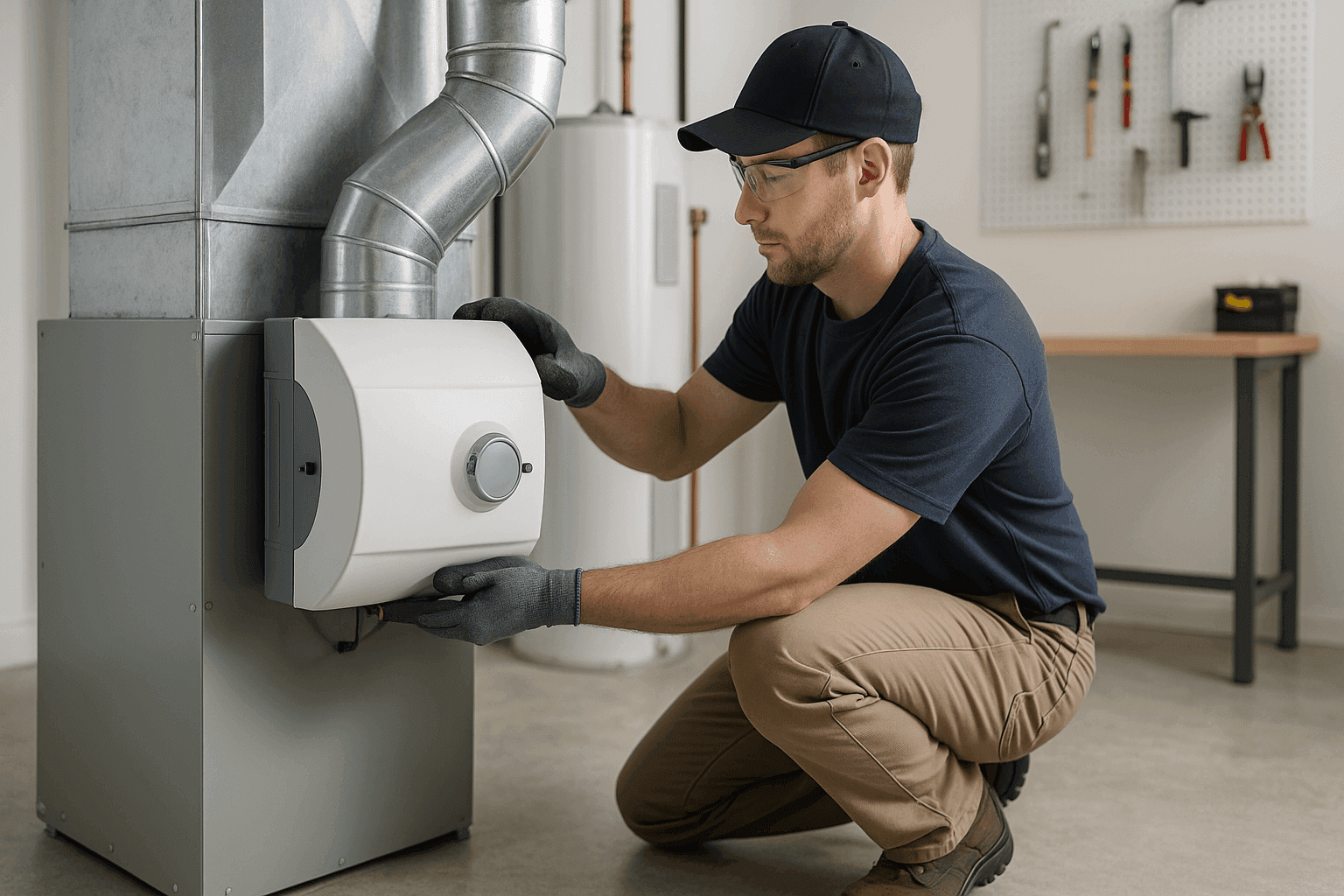
Whole-house humidifiers tie directly into your HVAC system. They quietly add moisture to every room—no refilling, no guessing. These are ideal for larger homes or anyone tired of waking up parched.
When to choose which?
- Small apartment or single room? Portable.
- Larger home, multiple rooms, or sensitive woodwork? Whole-house.
Platts Heating & Air installs and services both—helping you pick what fits your space and lifestyle.
Dehumidifiers: The Unsung Summer Hero
If your home feels like a rainforest in July—or you spot mold in the basement—a dehumidifier can make all the difference. These machines pull excess moisture from the air, helping your AC work less and your air feel fresher.
Types:
- Portable dehumidifiers: Good for basements or trouble spots.
- Whole-house dehumidifiers: Integrated with your HVAC, these work silently in the background to keep every room comfortable.
Dehumidifiers are especially valuable after big storms, floods, or in older homes where moisture sneaks in.
Smart Thermostats & Humidity Controls
Today’s smart thermostats don’t just adjust temperature. Many models let you monitor and set humidity levels, offering alerts when things drift out of range. Some pair with your HVAC for automatic adjustments.
Benefits:
- Real-time indoor air data
- Scheduling for energy savings
- Remote adjustments (from your phone or tablet)
If you’re already considering a thermostat upgrade, ask about models with built-in humidity sensors.
Diagnosing & Fixing Humidity Issues Year-Round
DIY Steps
- Use a hygrometer: Inexpensive and accurate, these tiny gadgets measure indoor humidity.
- Seal leaks: Weather-strip doors and windows to keep moisture where it belongs.
- Ventilate properly: Use exhaust fans in kitchens, baths, and laundry rooms.
- Adjust humidifier settings: In winter, lower settings to prevent window condensation.
When to Call a Pro
Some problems need more than a quick fix—especially if:
- Humidity swings wildly with the seasons
- Mold keeps coming back
- Your HVAC can’t keep up
- You need new equipment installed (humidifier, dehumidifier, or smart thermostat)
- There’s water damage or electrical concerns
Platts Heating & Air offers 24 hour emergency hvac service. We’re ready for the big problems—so you don’t have to be.
What Pros Do On Arrival
When our technicians arrive, here’s what you can expect:
- Measure humidity levels throughout your home
- Inspect your HVAC system for leaks, clogs, or control issues
- Check for mold, mildew, or water damage
- Recommend targeted solutions (portable or whole-house equipment)
- Review your current air filters and vents
- Explain any code or safety issues (per ASHRAE and EPA guidelines)
It’s a thorough process—designed to get your comfort and safety back on track without guesswork.
Prevention & Maintenance Tips
Keeping humidity balanced isn’t just a set-it-and-forget-it job. Here’s how to keep things running smoothly:
- Change HVAC filters every 1–3 months (more often with pets or allergies)
- Clean portable humidifiers/dehumidifiers weekly to prevent mold
- Schedule annual HVAC maintenance—preferably before heating or cooling season begins
- Check window seals and weather-stripping for drafts
- Set your humidifier/dehumidifier to match the season (lower in winter, higher in summer)
A little routine care saves money and headaches over time. The Platts team offers maintenance plans that cover all these bases for busy families.
Costs & Time Factors
What to expect:
- Portable humidifiers/dehumidifiers: Usually under an hour to set up, plus regular cleaning.
- Whole-house humidifier/dehumidifier installation: 2–4 hours for most homes, depending on ductwork and system complexity.
- Smart thermostat installation: Often less than an hour—more if rewiring is needed.
Costs depend on brand, features, and your home’s size. Most homeowners see lower energy bills and fewer repairs after balancing humidity.
When It’s an Emergency 🚨
Some humidity issues can’t wait:
- Sudden mold outbreak
- Water pooling on floors or walls
- Furnace or AC won’t run, or humidity spikes with no explanation
- Electrical smells or sparking from HVAC equipment
If you’re worried about health risks or ongoing damage, call for emergency hvac help immediately. Platts Heating & Air offers true 24 hour service—no matter the season, no matter the hour.
FAQ: Your Humidity Questions Answered
Q: How do I know if my home needs a humidifier or dehumidifier?
A: Use a hygrometer to check levels. Dry air (below 30%) means you need moisture. Over 50%? Time to remove some.
Q: Can I install a whole-house humidifier or dehumidifier myself?
A: These connect to your HVAC and water lines. For safety and warranty reasons, installation is best left to a licensed pro.
Q: Is high humidity dangerous to my health?
A: Yes—excess humidity encourages mold, dust mites, and bacteria, which can trigger allergies and asthma.
Q: Will a smart thermostat help control humidity automatically?
A: Many newer models can. Ask for one that monitors both temperature and humidity for best results.
Local & Seasonal Considerations
Humidity needs change with the seasons. In many regions, winter brings dry air—especially with Radiant Heating near you. Summer storms and AC use can tip the balance the other way.
Tips for every season:
- Winter: Run humidifiers and keep furnace humidifier pads clean.
- Spring: Watch for moisture after heavy rains—dehumidify basements if needed.
- Summer: Use whole-house fans and dehumidifiers to keep things fresh.
- Fall: Schedule maintenance before temperature swings hit.
Local building codes may require specific ventilation or air balancing systems. Platts Heating & Air always installs equipment to meet or exceed current standards—your safety comes first.
When indoor air feels off, you don’t have to live with it. Whether it’s a quick fix or a whole-home system, Platts Heating & Air is ready to help you breathe easier—day or night.
Call Platts Heating & Air now — or reach us anytime at 888-828-9042 .