Mini-Split Systems Explained: Flexible Comfort for Any Home
Feeling too hot in one room, too cold in another, and tired of fighting over the thermostat? Maybe your home’s layout just doesn’t work with your old ducts. Or you’ve added a sunroom, basement, or home office—and your current HVAC just can’t keep up.
At Platts Heating & Air, we hear this story every week. As a 24/7 emergency hvac team, we know comfort can’t wait. Homeowners need solutions that fit their unique spaces, schedules, and energy goals. That’s where mini-split (ductless) systems shine.
What Is a Mini-Split System? (And Why Should You Care) 🌡️
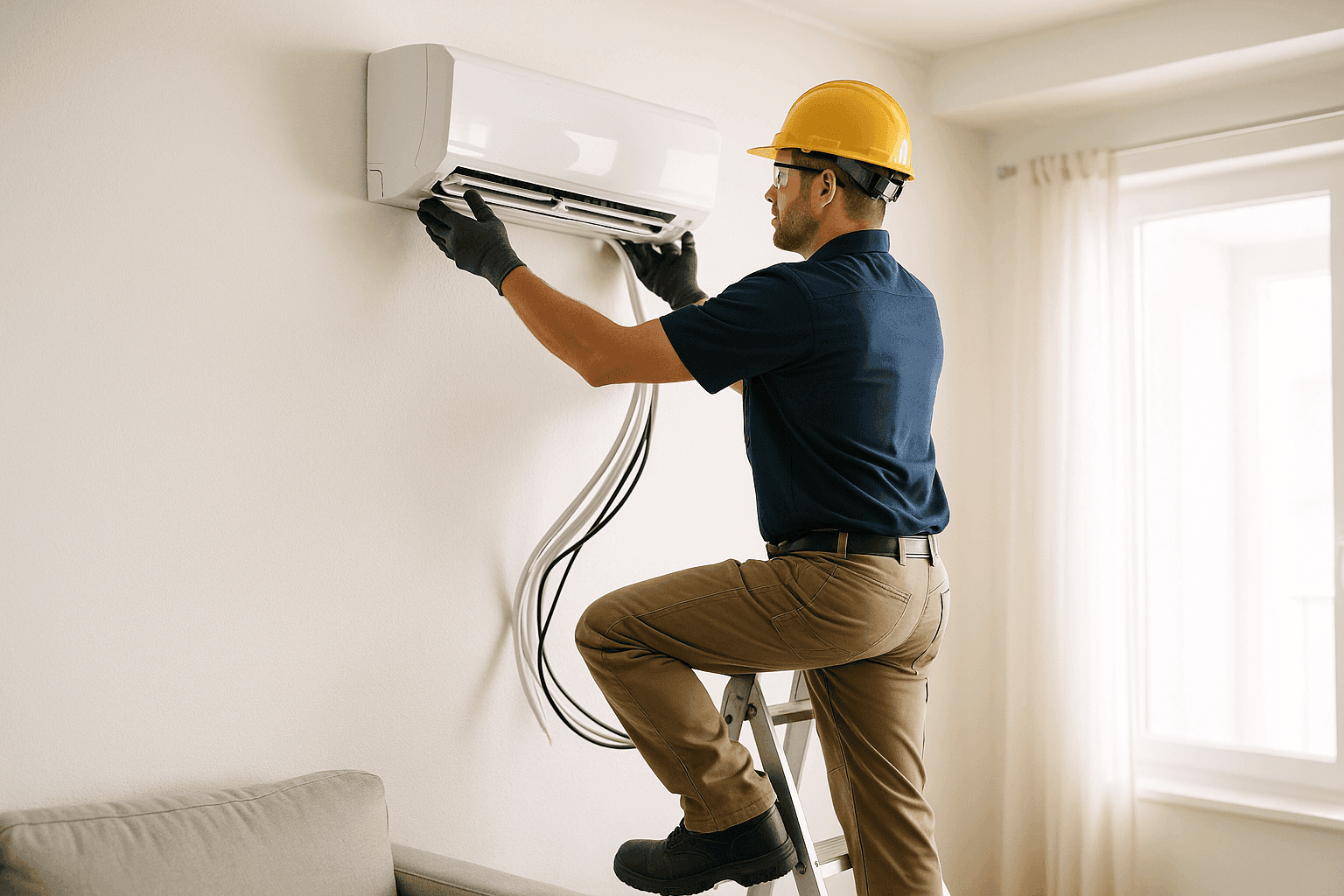
Imagine a quiet, slim box on your wall, quietly cooling or heating your space—no giant ducts, no big renovations. That’s a mini-split.
A mini-split system has two main parts:
- An outdoor unit that handles the heavy lifting (compressor/condenser)
- One or more sleek indoor units that deliver conditioned air right where you want it
Instead of one-size-fits-all, mini-splits let you control each room or “zone.” Like having a personal thermostat for every space.
Mini-splits are a type of ductless heat pump. They move heat in or out of your rooms, depending on the season. No ducts means less energy waste, fewer drafts, and cleaner air.
Key Benefits of Mini-Split Systems
Flexible Comfort, Room by Room
- Each indoor unit runs independently. Set the living room to 72°F, but keep the bedroom cooler for sleeping.
- No more “hot upstairs, cold downstairs” issues.
- Perfect for spaces without ductwork—think additions, garages, attics, or older homes with thick walls.
Zone Control: The Power of Personalization
- Target comfort where (and when) you need it.
- Save energy by turning off units in unused rooms.
- Ideal for families with different comfort preferences.
Energy Savings That Add Up
- No ducts = less energy lost (the U.S. Department of Energy estimates duct losses can account for 30% of energy use!)
- Mini-splits use inverter-driven compressors, adjusting output for precise cooling/heating.
- Many models are ENERGY STAR® certified.
- Lower monthly utility bills, especially if you’re replacing window ACs or electric baseboard heaters.
Breathe Easier: Improved Indoor Air Quality
- Each unit comes with its own filter, catching dust, pollen, and particles.
- No dusty ducts spreading allergens.
- Many mini-splits can support advanced filtration like air scrubbers—critical for families with allergies or asthma.
Where Mini-Splits Make the Biggest Difference
Wondering if a mini-split is right for your home? Here’s where they shine:
- Additions or renovations: Skip the ductwork and get instant comfort.
- Basements and attics: Spaces notoriously hard to heat or cool with central air.
- Sunrooms and garages: Keep these bonus spaces usable all year.
- Older homes: No need to carve up plaster walls or ceilings for new ducts.
- Multi-family properties: Give each unit control without complex duct runs.
- Rooms with special needs: Home offices with electronics, home gyms, or bedrooms needing extra warmth.
Cost Comparison: Mini-Splits vs. Central Air
Upfront Costs
- Mini-splits can have a higher initial price per zone than a basic window unit or portable AC.
- When factoring in duct installation (or repair) for central systems, mini-splits often win for additions or older homes.
- Rebates and incentives may be available for high-efficiency models—check with local energy programs.
Long-Term Savings
- Mini-splits are usually more energy-efficient, especially for homes with uneven usage patterns.
- Lower monthly bills can offset the upfront investment over time.
- Reduced maintenance—no ducts to clean, fewer hidden leaks.
Quick Math Example
A homeowner in a 1930s bungalow wanted AC in their attic office. Running new ducts would have cost thousands and required opening up walls. Instead, Platts Heating & Air installed a single-zone mini-split in one day. The space is now cool, quiet, and draft-free—and the rest of the house stayed untouched.
Installation Basics: What to Expect
- Site assessment: We’ll help you choose the right capacity, size, and placement for each indoor unit.
- Drill a small hole: Just a 3-inch opening connects the indoor and outdoor parts.
- Quick setup: Most jobs are finished in a day or two.
- Electrical work: Mini-splits need a dedicated power supply—handled by a licensed tech.
- No major construction: Minimal mess, no ductwork, no need to leave home.
Code & Safety Guidelines
Every installation follows local building codes, manufacturer specs, and National Electrical Code (NEC) requirements. Proper mounting, refrigerant handling, and electrical safety are always priorities. Platts Heating & Air’s technicians are fully trained in up-to-date safety standards.
Maintenance Tips for Long-Lasting Performance 🛠️
- Clean the filters: Check and rinse every 1–3 months, more often with pets or allergies.
- Keep the outdoor unit clear: No leaves, dirt, or snow blocking airflow.
- Inspect for leaks: Look for water or ice buildup on indoor units—call for service if you spot trouble.
- Annual checkup: Have a pro inspect refrigerant levels, electrical, and mechanical parts yearly.
Regular care keeps your system running efficiently and can extend its life well beyond a decade.
Real-Life Applications: How Homeowners Use Mini-Splits
- The busy family: Mom wants the kitchen cool while baking. Dad needs a warm office for video calls. Teenager likes their suite a little chilly. Mini-splits allow everyone to set their own “comfort zone” without arguments or wasted energy.
- The DIY renovators: Installing a mini-split in the garage gym, they avoid expensive ductwork and keep workout gear fresh with built-in dehumidification.
- The historic house lovers: No need to disrupt original molding or plaster. Mini-splits bring modern comfort to classic spaces.
Mini-Split Maintenance Tips
DIY Steps
- Gently vacuum or rinse indoor unit filters each month.
- Wipe down vents and exterior surfaces.
- Check for strange noises or smells—these can be early warning signs.
When to Call a Pro
- Annual service for electrical and refrigerant checks.
- Any sign of leaks, system errors, or major performance dips.
Cost & Time Factors: What Homeowners Should Know 💡
- Single-zone systems: Usually installed in one day.
- Multi-zone systems: Larger projects may take 2–3 days.
- Upfront cost: Varies by brand, efficiency, and number of indoor units.
- Operating cost: Lower than window ACs or baseboard heaters. Many users save 20–30% on cooling bills.
- Maintenance cost: No ducts to clean; annual tune-ups are quick and affordable.
When Is a Mini-Split an Emergency HVAC Solution?
- Sudden breakdown: If your main system fails during extreme weather, a quick mini-split install can restore safe temperatures.
- Unsafe electrical or duct issues: Sometimes it’s safer and quicker to bypass old systems entirely.
- Special medical needs: Homes with elderly, infants, or medical equipment may need rapid, reliable climate control.
We’re available 24/7 for these urgent calls. Fast assessment, clear advice, and skilled installation—no matter the hour.
Frequently Asked Questions
Can a mini-split heat and cool my whole house?
Absolutely—multi-zone systems can cover multiple rooms or an entire home. Each indoor unit is managed separately, so you can customize comfort throughout.
Is a mini-split loud?
Not at all. Indoor units are whisper-quiet, often less than a refrigerator running. Outdoor units are much quieter than most central air compressors.
Do I need to remove my old central system?
Not always. Many homeowners keep their furnace as backup and use mini-splits for key rooms or additions.
Do mini-splits work in cold climates?
Yes! Newer models can heat efficiently even when outdoor temps dip below freezing. Look for models rated for your region’s coldest days.
Local and Seasonal Considerations
- Humidity: In humid areas, mini-splits help control moisture and mold (especially in basements).
- Pollen season: Built-in filtration keeps allergens at bay—ideal for allergy-prone homes.
- Energy audits: Consider a home energy audit (offered by Platts Heating & Air) to find air leaks or insulation gaps before installing.
- Radiant Heating near you: Mini-splits can complement radiant floor heating for year-round comfort.
The Platts Heating & Air Difference
Our technicians have installed mini-splits in every situation—from historic homes to modern additions, emergency hvac calls to planned renovations. We follow all safety codes, respect your space, and help you choose the right solution for your needs. Hundreds of homeowners have upgraded their comfort with our help.
Ready for flexible, efficient comfort—without the headaches of ductwork or uneven temps?
Call Platts Heating & Air now — or reach us anytime at 888-828-9042 .