How to Prepare Your HVAC System for Severe Weather Emergencies
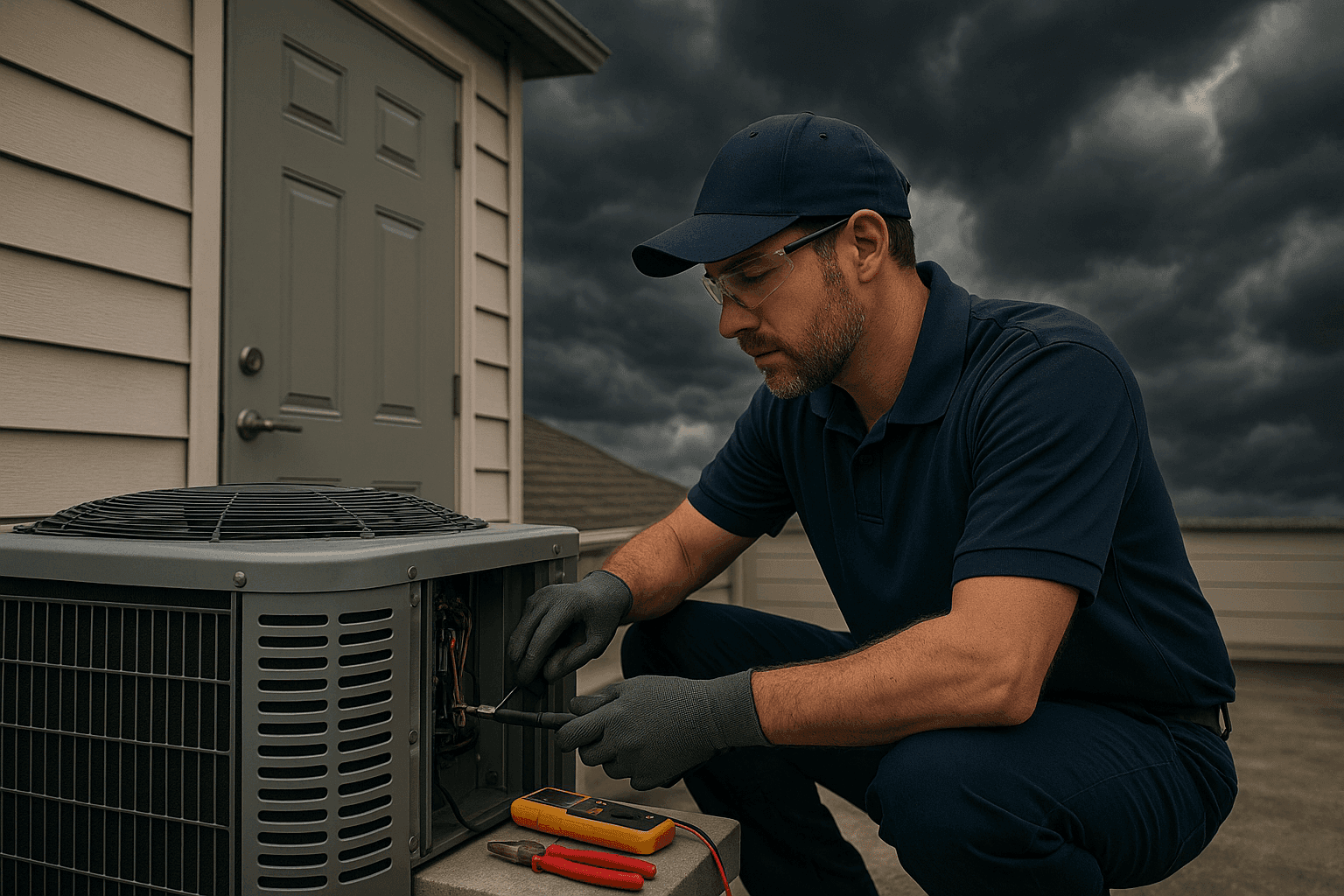
When the sky darkens and the wind picks up, your comfort and safety depend on more than just luck. At Platts Heating & Air, we’ve seen firsthand how quickly severe weather can turn a working HVAC system into an emergency. It’s not just about staying cool or warm—it’s about keeping your family or business safe when the unexpected strikes.
A little preparation now can save you from big headaches later. Here’s how to get your HVAC system ready for whatever nature throws your way.
Why Severe Weather Puts Your HVAC System at Risk
Storms, freezes, and heatwaves hit fast and hard. Lightning, high winds, hail, or sudden temperature swings can push your heating and cooling equipment to its limits. Water can sneak into outdoor units. Power surges can fry sensitive electronics. Ice can choke off airflow. Even a simple clogged filter can turn a minor inconvenience into a major breakdown.
Think of your HVAC system like a marathon runner. It needs to be in top shape before the race—otherwise, it might not make it to the finish line.
Quick Safety Checklist Before Severe Weather Hits ⚡
Before the storm rolls in or the mercury drops, run through this checklist. It only takes a few minutes but can make all the difference:
- Check and replace filters: Dirty filters block airflow and put extra strain on your system.
- Inspect outdoor units: Clear away leaves, sticks, and debris. Secure any loose panels or covers.
- Test your thermostat: Make sure it’s working and set to the right mode for the season.
- Seal windows and doors: Prevent drafts and moisture from sneaking in.
- Check backup power: If you have a generator, test it now—not during the outage.
- Know your shutoff: Locate the breaker or power switch for your HVAC system.
- Listen for odd noises: Squeaks, rattles, or grinding sounds can signal trouble.
If anything looks or sounds off, don’t wait. Small problems can become emergencies when the weather turns.
DIY or Call a Pro? Knowing Your Limits
Some tasks are safe for a quick DIY check. Others need a trained hand. Here’s a simple way to decide:
DIY tasks:
- Swapping out filters
- Clearing debris from around outdoor units (at least two feet of space)
- Checking thermostat batteries
- Sealing obvious drafts with weatherstripping
Call Platts Heating & Air if you notice:
- Electrical smells or burning odors
- Water pooling around your furnace or AC
- Frozen coils or ice buildup
- Sudden loss of heating or cooling
- Repeated tripped breakers
- Unusual noises that don’t stop
When in doubt, it’s safer to call. Electrical and refrigerant issues can be dangerous.
What Platts Heating & Air Pros Do On Arrival
When you call for emergency hvac help, here’s what our technicians focus on first:
- Safety assessment: We check for electrical hazards and gas leaks.
- System diagnostics: Using specialized tools, we test all major components—compressors, fans, thermostats, and more.
- Moisture and freeze checks: We look for water intrusion, frozen lines, and ice buildup.
- Airflow inspection: Ductwork, vents, and filters are checked for blockages.
- Quick repairs: We address urgent issues right away to restore comfort and prevent further damage.
Our team follows guidelines from organizations like the Air Conditioning Contractors of America (ACCA) and the Occupational Safety and Health Administration (OSHA) to keep your property safe.
Prevention & Maintenance: Your Best Defense
Think of seasonal HVAC maintenance like changing the oil in your car. It’s routine, but it keeps everything running smoothly—especially under stress.
Seasonal Tips:
- Spring/Summer: Clean coils, check refrigerant levels, and inspect outdoor units for storm damage.
- Fall/Winter: Test the furnace, inspect heat exchangers, and check for carbon monoxide leaks.
- Year-round: Change filters every 1–3 months (more often if you have pets or allergies).
Platts Heating & Air recommends scheduling professional maintenance at least twice a year. This helps spot worn parts, catch small leaks, and keep your system ready for whatever weather comes next.
Costs & Time Factors: What to Expect
Emergency hvac service is like calling a tow truck during a blizzard—it’s fast, but it can be more expensive than a routine checkup. Here’s what typically affects the price and timing:
- After-hours calls: Nights, weekends, and holidays may cost more.
- Parts availability: Some repairs can be done on the spot; others may need special parts.
- Severity of damage: Minor fixes (like a blown fuse) are quick. Major repairs (like a failed compressor) take longer.
- Preventive maintenance: Regular service costs less than emergency repairs in the long run.
Most emergency visits last from one to three hours, depending on the issue. Preventive maintenance can often be done in under two hours.
When It’s an Emergency—and When It’s Not
It’s not always easy to know if you need emergency hvac help. Here are some clear signs:
- No heat during a freeze: Risk of frozen pipes and unsafe conditions.
- No cooling during a heatwave: Health risks, especially for kids and seniors.
- Electrical burning smell: Could mean a fire hazard.
- Water leaks near electrical parts: Always a red flag.
- Gas smell: Leave the area and call for help immediately.
If you’re ever unsure, it’s better to play it safe. A quick call can prevent bigger problems.
FAQ: Common Questions About HVAC & Severe Weather
How often should I check my HVAC filters during storm season?
Check filters monthly. During heavy use or after storms, inspect them more often. Clogged filters make your system work harder and can lead to breakdowns.
Can I cover my outdoor AC unit before a storm?
A breathable cover can help protect against debris, but never use plastic tarps that trap moisture. Remove the cover once the storm passes.
What should I do if my outdoor unit floods?
Turn off power to the unit at the breaker. Do not attempt to restart it. Call a professional for a safety inspection before using it again.
Is it safe to run my HVAC system during a power outage with a generator?
Only if your generator is properly installed and sized for your HVAC system. Incorrect use can damage equipment or create safety hazards. Always follow the manufacturer’s instructions and consult a licensed electrician.
Special Considerations for Emergency HVAC Service
- Indoor Air Quality: During storms, doors and windows stay closed. Use air scrubbers, dehumidifiers, or whole-house fans to keep air fresh.
- Vulnerable Occupants: Infants, elderly, and those with health issues need stable temperatures. Don’t delay repairs if they’re at risk.
- Backup Power: Consider installing a standby generator to keep critical systems running during outages.
- Insurance: Document any storm-related damage for your records. Take photos before repairs begin.
Regular maintenance and emergency readiness aren’t just about comfort—they’re about safety, health, and peace of mind.
Call Platts Heating & Air now — or reach us anytime at 888-828-9042 .