How to Prepare Your HVAC System for Spring: Maintenance and Safety Tips
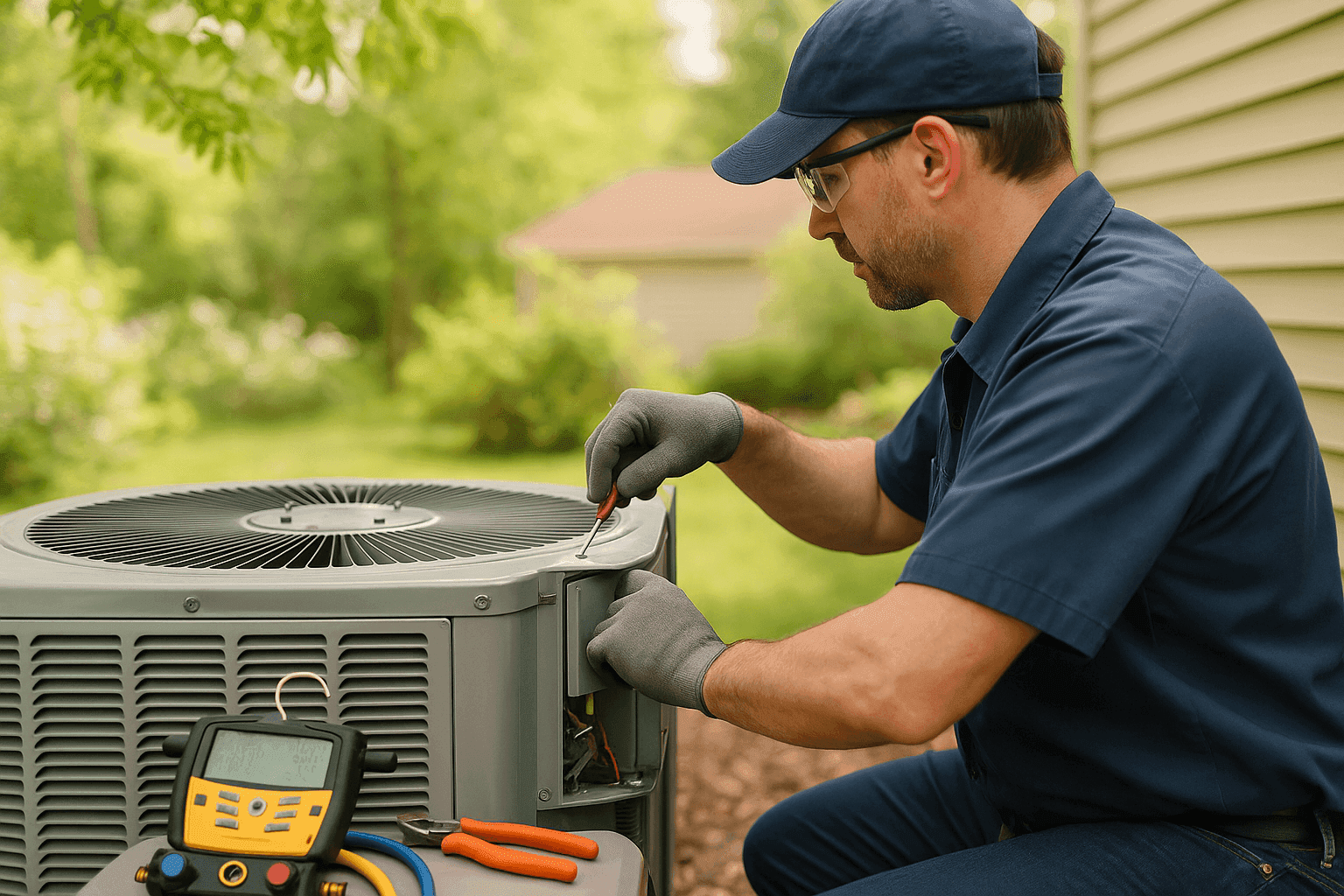
Spring is a season of fresh starts. But for your HVAC system, it’s also crunch time. As temperatures climb, the last thing you want is a system breakdown—or a spike in your energy bill.
At Platts Heating & Air, we’ve seen firsthand how a little spring prep can save you headaches, money, and emergency hvac calls. Let’s walk through what you need to know.
Why Spring Maintenance Matters
Imagine your HVAC as the lungs of your home or business. After a long winter, it’s likely full of dust, dander, and the wear-and-tear of heavy use. If you don’t clear things out and tune up the system, you’re asking for trouble when the heat arrives.
Neglecting spring maintenance can lead to:
- Poor indoor air quality
- Higher energy bills
- Shortened equipment lifespan
- Unexpected breakdowns—often on the hottest days
Industry sources like the Air Conditioning Contractors of America (ACCA) recommend seasonal checkups for exactly these reasons.
Quick Safety Checklist 🛡️
Before you roll up your sleeves or call in a pro, run through this safety-first list:
- Turn off power to your HVAC unit at the breaker before any inspection or cleaning.
- Wear gloves and a mask when handling filters or opening vents—dust and debris can irritate lungs and skin.
- Check for exposed wires or signs of electrical damage. If you spot any, don’t touch—call a professional.
- Inspect carbon monoxide detectors (for homes with gas heating) and replace batteries if needed.
- Keep the area clear around outdoor units—remove leaves, sticks, and debris to prevent fire hazards and ensure airflow.
These steps follow recommendations from the Occupational Safety and Health Administration (OSHA) and the National Fire Protection Association (NFPA).
Step-by-Step Spring HVAC Prep
1. Replace or Clean Air Filters
Dirty filters choke airflow and force your system to work harder. Swap in a new filter, or clean a reusable one, every 1–3 months. For allergy sufferers, consider HEPA filters for extra protection.
2. Check and Adjust Thermostat Settings
Set your thermostat for cooling mode and test the system. If your thermostat isn’t responding or the temperature reading seems off, it may need recalibration or replacement.
3. Inspect Ductwork and Vents
Walk through your home or business. Open every vent. Look for dust buildup, visible mold, or blockages. If you see heavy debris or smell musty odors, professional duct cleaning can help.
4. Clear Around Outdoor Units
Grass, mulch, or leaves can block airflow. Keep at least two feet of clearance around your condenser or heat pump.
5. Check Drain Lines and Pans
Clogged condensate lines can cause leaks and water damage. Pour a cup of vinegar down the line to clear minor buildup, but call a pro if you spot standing water.
6. Listen and Look for Trouble
Strange noises? Odd smells? Short cycling? These are early warning signs. Don’t ignore them—address issues before they become emergencies.
DIY vs. Call a Pro
Some spring tasks are safe for DIY. Swapping filters, clearing debris, and basic thermostat checks are good for handy homeowners or business owners.
But when it comes to:
- Electrical components
- Refrigerant handling
- Deep duct cleaning
- Diagnosing unusual sounds or smells
…it’s best to call a certified technician. According to the U.S. Environmental Protection Agency (EPA), only licensed professionals should handle refrigerants or major electrical work. This protects your system, your warranty, and your safety.
What Pros Do On Arrival
When you schedule spring maintenance with Platts Heating & Air, here’s what a certified technician typically checks:
- Full system inspection: indoor and outdoor units, wiring, and controls
- Test and calibrate thermostat
- Inspect and tighten electrical connections
- Check refrigerant levels and look for leaks (per EPA Section 608)
- Clean and lubricate moving parts
- Inspect and clean blower components
- Test system start-up and shutdown cycles
- Check safety controls and carbon monoxide detectors
We follow industry best practices from ACCA and ASHRAE (American Society of Heating, Refrigerating and Air-Conditioning Engineers).
Prevention & Maintenance: The Long Game
Think of spring maintenance as an oil change for your HVAC. Regular tune-ups mean fewer surprises, better air, and lower bills.
Benefits include:
- Longer system life: Well-maintained units often last years longer.
- Improved indoor air quality: Clean filters and ducts mean less dust and fewer allergens.
- Energy savings: A tuned-up system can cut energy use by 10–15%, according to ENERGY STAR.
- Fewer emergency hvac calls: Catching problems early keeps you cool when it matters most.
Costs & Time Factors
Spring maintenance is an investment—one that pays off over time. Here’s what to expect:
- DIY tasks: Replacing filters and clearing debris takes 30–60 minutes and minimal cost.
- Professional inspection: Most routine tune-ups take 1–2 hours. Cost varies depending on system size, age, and any needed repairs.
- Repairs or upgrades: If your technician finds issues (like a failing capacitor or low refrigerant), additional time and cost may apply.
Remember: Skipping maintenance can lead to bigger, pricier problems down the road.
When It’s an Emergency
Sometimes, even with the best prep, things go sideways. If you notice:
- Burning smells or smoke
- Loud banging or grinding noises
- No airflow or cooling
- Water pooling around your unit
- Tripped breakers or flickering lights
Shut off your system. Call for emergency hvac service immediately. Delaying can cause further damage or even safety hazards.
Platts Heating & Air is available 24/7 for those moments when you need help fast.
FAQ: Spring HVAC Maintenance
How often should I replace my air filter?
Every 1–3 months, or more frequently if you have pets or allergies.
Can I clean ducts myself?
Surface dust is easy to wipe, but deep duct cleaning requires specialized tools and training. Leave this to the pros.
Is spring really that important for HVAC?
Yes! Early maintenance prevents summer breakdowns and improves system performance.
What’s the best thermostat setting for spring?
Aim for 78°F (26°C) when home, and higher when away. Programmable thermostats can help automate savings.
Special Considerations for Spring Prep
- Allergy season: Spring pollen can clog filters and worsen symptoms. Change filters more often if allergies are severe.
- Humidity control: Check dehumidifiers and condensate lines to prevent mold growth.
- Energy audits: Spring is a smart time to assess your home’s energy efficiency and seal up leaks before the heat hits.
- Older systems: If your HVAC is over 10–15 years old, talk to a technician about efficiency upgrades or replacement options.
Staying proactive now means smoother sailing all season long.
Call Platts Heating & Air now — or reach us anytime at 888-828-9042 .