How to Prepare Your HVAC System for Winter Storms and Freezes
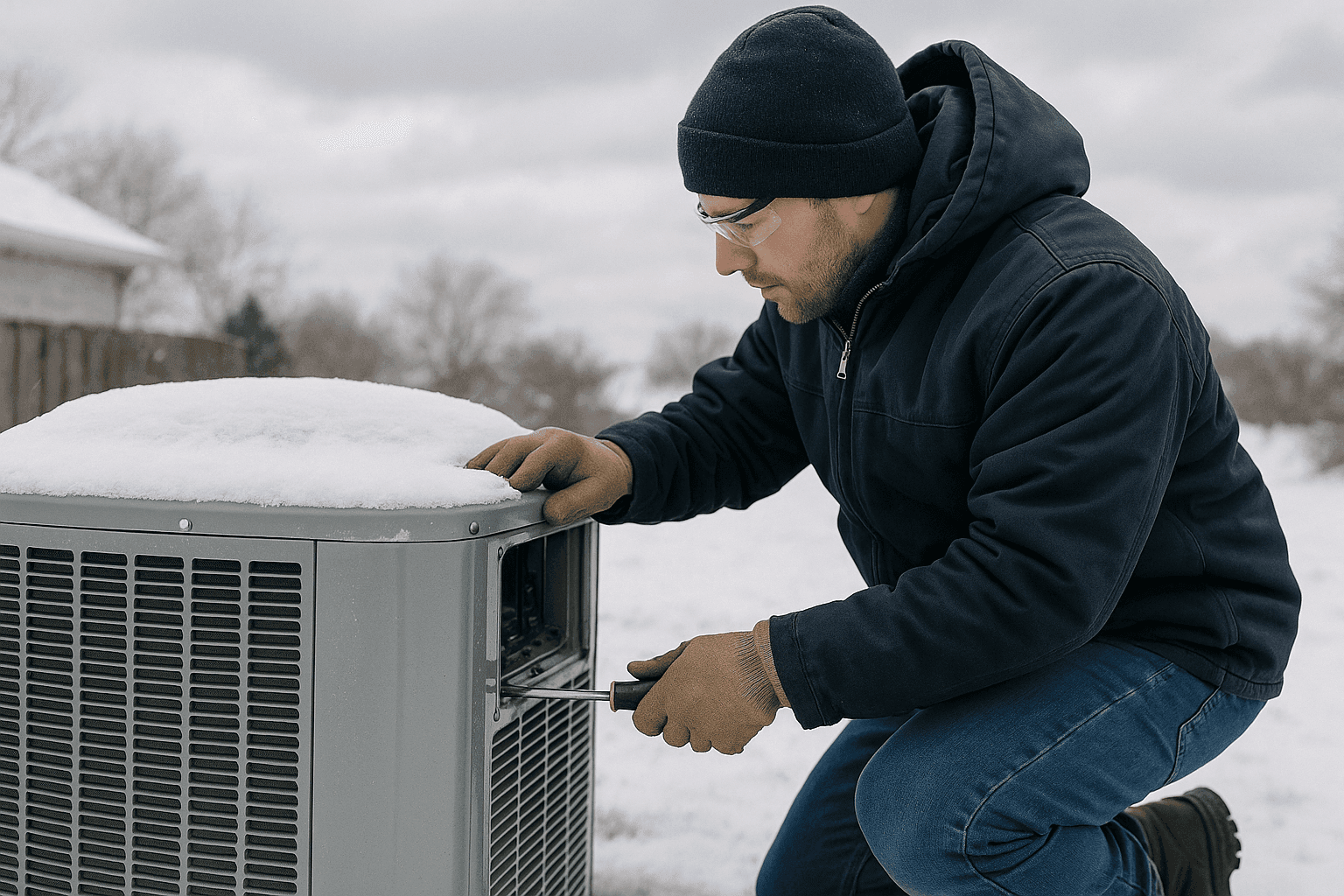
When the first icy wind rattles your windows, it’s more than just a chill in the air—it’s a wake-up call for your HVAC system. Winter storms can sneak up fast, turning a minor issue into a full-blown emergency hvac call overnight.
At Platts Heating & Air, we know how a well-prepared heating and cooling system can mean the difference between a cozy home and an uncomfortable scramble during a freeze. Let’s make sure your HVAC is ready for whatever winter throws your way.
Common Winter HVAC Issues: What Goes Wrong When the Cold Hits ❄️
Winter can be tough on your heating and cooling equipment. Here’s what often happens:
- Freeze Damage: Water in pipes or coils can freeze, expand, and burst. This can shut down your whole system or cause leaks.
- System Inefficiency: Dirty filters, clogged vents, or duct leaks force your furnace to work overtime. That means higher bills and uneven heat.
- Emergency Breakdowns: Sudden cold snaps can push older or poorly maintained systems past their breaking point.
- Outdoor Unit Blockage: Snow and ice buildup can choke off airflow, leading to overheating or complete shutdown.
- Carbon Monoxide Risks: Cracked heat exchangers or blocked vents can let dangerous gases into your living space.
The good news? Most of these can be prevented with a little planning and some regular care.
Quick Safety Checklist Before Winter Storms
Before the weather turns wild, run through this simple list:
- Replace or clean your HVAC filters.
- Clear leaves, snow, and debris from around outdoor units.
- Check that all vents and registers are open and unblocked.
- Inspect thermostat batteries and settings.
- Test your carbon monoxide and smoke detectors.
- Make sure you have backup power if you rely on electric heat or a generator.
- Schedule a professional tune-up if you haven’t had one this year.
These steps take just a few minutes, but they can save you from hours of discomfort—or worse.
Inspecting and Cleaning Your Heating System
Think of your furnace as the heart of your home’s winter defense. If it’s clogged or sluggish, the whole house suffers.
What to Do:
- Change the Filter: A dirty filter is like a blocked artery. It restricts airflow and strains your system. Swap it out every 1–3 months.
- Clean Air Vents and Registers: Dust and pet hair love to hide here. A quick vacuum keeps air moving smoothly.
- Check for Leaks: Listen for hissing or look for water around your furnace and ductwork. Leaks can signal bigger problems.
- Inspect the Pilot Light (if applicable): It should burn blue—not yellow or flickering.
- Look for Rust or Corrosion: These are early warning signs. If you spot them, call a technician.
Pro tip: The U.S. Department of Energy recommends annual furnace maintenance for safety and efficiency. Don’t skip it.
Protecting Outdoor HVAC Units from Ice and Snow 🧊
Your outdoor AC or heat pump is like a car parked outside in a blizzard—it needs some TLC.
How to Shield It:
- Clear the Perimeter: Keep at least two feet of space around your unit. Remove snow, ice, and any debris after storms.
- Cover Carefully: Use a breathable cover designed for HVAC units. Never wrap it in plastic—that traps moisture and invites rust.
- Elevate If Possible: If flooding is common, placing the unit on a platform helps keep it dry.
- Check for Ice Buildup: If you see thick ice on the coils, turn the system off and call for emergency hvac help. Don’t try to chip it off yourself.
Thermostat Settings for Energy Efficiency and Safety
Your thermostat is the conductor of your winter symphony. Set it wrong, and you’ll pay more for less comfort.
Smart Settings:
- Set It and Forget It: Keep your thermostat at 68°F (20°C) when home, and lower it by a few degrees at night or when away.
- Avoid Frequent Changes: Constantly adjusting the temperature makes your system work harder.
- Install a Programmable Thermostat: This helps maintain steady temps and reduces energy waste.
- Vacation Mode: If you’ll be away, set the thermostat no lower than 55°F (13°C) to prevent frozen pipes.
Safety tip: If you use a space heater, keep it at least three feet from anything flammable and never leave it unattended.
Emergency Preparedness Tips for Winter HVAC Failures 🚨
Sometimes, even the best-prepared systems run into trouble. Here’s how to be ready:
- Know Your Shut-Offs: Locate the main power switch and gas valve for your furnace.
- Have Emergency Numbers Handy: Keep Platts Heating & Air’s number on your fridge or phone.
- Stock Up on Blankets and Warm Clothes: If the heat goes out, you’ll need to stay warm until help arrives.
- Backup Power: If you have a generator, test it before storms hit. Make sure it’s fueled and ready.
- Check Your Carbon Monoxide Detector: If your heat goes out, never use a gas oven or grill for warmth indoors.
If you smell gas or suspect a carbon monoxide leak, leave the building immediately and call emergency services.
Signs You Need Urgent HVAC Repairs
Some problems just can’t wait. Call for emergency hvac help if you notice:
- Unusual noises—banging, screeching, or rattling
- Persistent burning smells or smoke
- No heat, or only cold air blowing from vents
- Water pooling around the furnace or indoor unit
- The system won’t turn on, or cycles on and off rapidly
These are red flags that something major is wrong. Don’t risk it—get professional help fast.
Why Professional Tune-Ups Matter
A furnace tune-up is like a winter coat for your HVAC system. It keeps things running smoothly and catches problems early.
During a tune-up, a technician will:
- Inspect and clean burners, heat exchangers, and ignition systems
- Check electrical connections and safety controls
- Test airflow and adjust as needed
- Lubricate moving parts
- Calibrate the thermostat
According to ENERGY STAR, regular maintenance can boost efficiency by up to 15% and extend the life of your equipment.
DIY vs. Calling a Pro
There’s a lot you can do yourself. But some jobs need a trained hand.
DIY Tasks:
- Change filters regularly
- Clean vents and registers
- Clear snow from around outdoor units
- Set your thermostat correctly
Call a Pro For:
- Annual tune-ups and inspections
- Diagnosing strange noises or smells
- Fixing leaks or frozen pipes
- Electrical or gas issues
- Installing new equipment or major repairs
When in doubt, don’t risk your safety. A professional has the tools and training to get things back on track—especially during an emergency hvac situation.
What Pros Do On Arrival
When you call Platts Heating & Air for emergency service, here’s what to expect:
- Quick assessment of the problem—starting with safety checks
- Testing for gas leaks, electrical faults, or carbon monoxide
- Inspecting filters, blowers, and heat exchangers
- Checking ductwork for leaks or blockages
- Explaining the issue in plain language and outlining your options
We follow industry standards from organizations like the Air Conditioning Contractors of America (ACCA) and the Occupational Safety and Health Administration (OSHA) to ensure your safety.
Prevention & Maintenance: The Long Game
Winter storms are unpredictable. But regular maintenance is like putting money in the bank for your comfort and safety.
- Schedule annual tune-ups: Before the cold hits, have your system checked.
- Replace filters often: Every 1–3 months, or more if you have pets or allergies.
- Seal duct leaks: Leaky ducts waste energy and reduce comfort.
- Insulate exposed pipes and ducts: Especially in unheated spaces like attics or basements.
- Test your thermostat: Make sure it responds quickly and accurately.
- Keep outdoor units clear: After every storm, do a quick check.
A well-maintained system lasts longer, runs more efficiently, and is less likely to fail when you need it most.
Costs & Time Factors: What to Expect
How much will it cost? How long will it take? Here’s what to keep in mind:
- Routine maintenance: Usually takes 1–2 hours. Costs vary by system and service needed.
- Emergency repairs: Can take longer, especially if parts need ordering or access is tricky.
- Replacement: Installing a new furnace or heat pump might take a day or more.
Investing in maintenance is almost always cheaper than paying for major repairs or emergency hvac calls during a storm.
When It’s an Emergency
Not every issue is urgent. But if you’re facing freezing temperatures and no heat, don’t wait.
Call for emergency hvac help if:
- Indoor temperatures drop dangerously low
- You smell gas or suspect a carbon monoxide leak
- The system is making loud, alarming noises
- Water is leaking or pooling near equipment
Your safety comes first. If you’re unsure, it’s always better to call.
FAQ: Winter HVAC Prep
How often should I replace my furnace filter in winter?
Check it once a month during heavy use. Replace it every 1–3 months, or sooner if it looks dirty.
Can I cover my outdoor AC unit all winter?
Yes, but only with a breathable cover. Never use plastic or airtight materials, which can trap moisture and cause rust.
Why does my furnace make banging or rattling noises?
This could mean loose parts, a dirty burner, or even a cracked heat exchanger. Turn it off and call a professional right away.
Is it safe to use my fireplace if the furnace goes out?
Wood-burning fireplaces can help, but never use gas ovens or grills indoors. Always ensure your fireplace is vented and clear of obstructions.
Special Considerations for Your HVAC System This Winter
Every home and business is unique. If you have special equipment—like mini-splits, radiant heating, or a backup generator—make sure these are included in your winter prep. Schedule generator maintenance, test your air scrubbers and humidifiers, and don’t forget to check your indoor air quality devices.
If you have elderly family members, young children, or sensitive electronics, maintaining steady indoor temperatures is even more critical. A small issue can escalate quickly during a storm.
Don’t let winter storms catch you off guard. With a little preparation, you can keep your home or business warm, safe, and comfortable all season long. Call Platts Heating & Air now — or reach us anytime at 888-828-9042 .