Preventing HVAC Breakdowns: Essential Seasonal Maintenance Tips
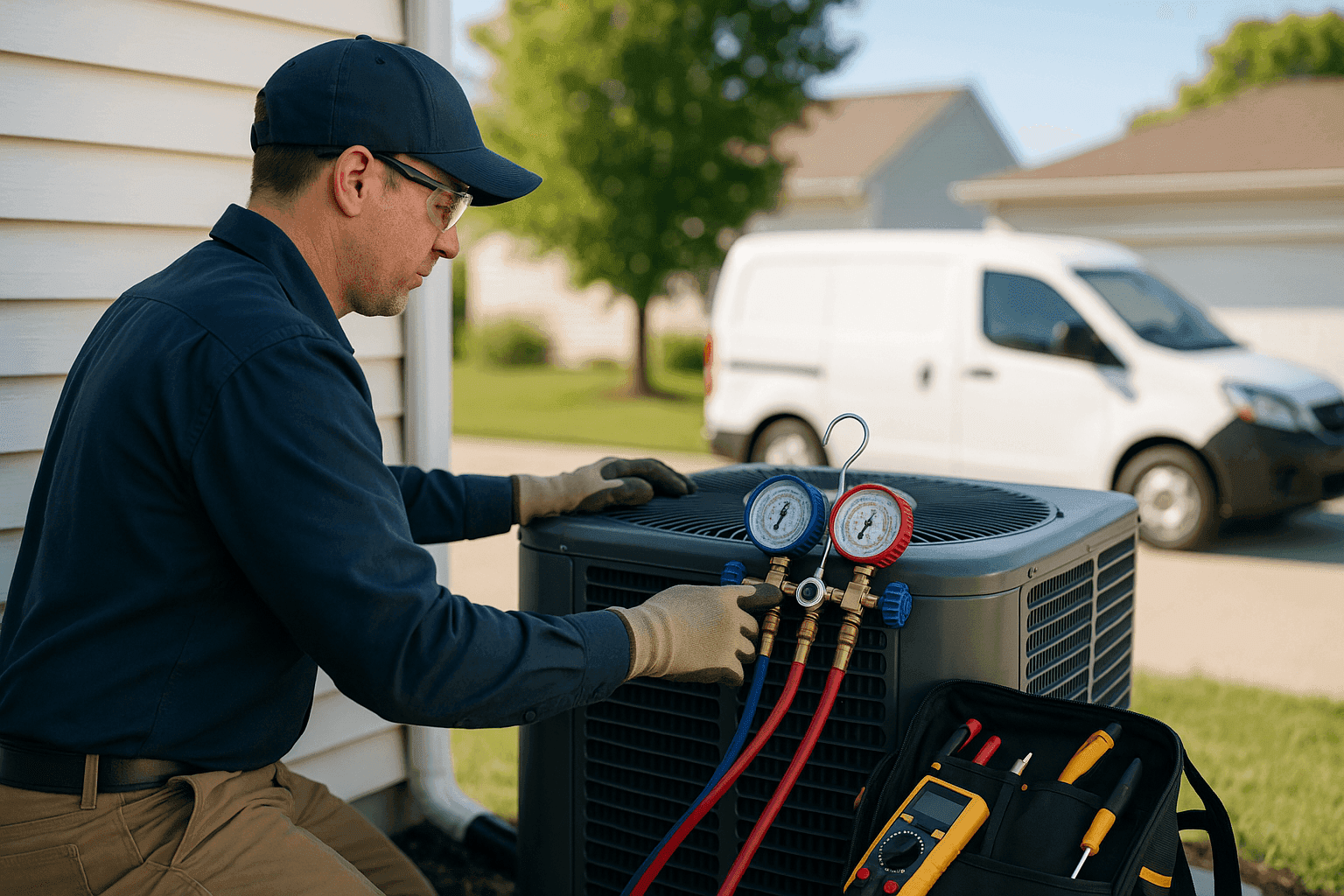
Is there ever a good time for your heating or cooling to quit? Usually, it’s the hottest or coldest day of the year. You’re not alone—unexpected HVAC breakdowns catch everyone off guard. At Platts Heating & Air, we know how a sudden failure can throw your home or business into chaos.
The good news? With a few smart, seasonal steps, you can dodge most emergencies and keep your system humming. Here’s how to stay ahead of trouble and save money in the process.
Why Seasonal HVAC Maintenance Matters 🕒
Think of your HVAC system like a car. If you skip oil changes, sooner or later, you’re stranded on the side of the road. HVAC units are no different. Regular, seasonal care keeps the gears turning and the air flowing.
Why bother with maintenance?
- Prevent breakdowns: Small issues get fixed before they become big, expensive ones.
- Save money: Well-maintained systems use less energy, lowering your bills.
- Breathe easier: Clean filters and ducts mean fresher, healthier air.
- Stay safe: Carbon monoxide, electrical faults, and gas leaks are serious risks if systems are neglected.
- Protect your investment: A well-cared-for unit can last years longer.
According to the U.S. Department of Energy, regular HVAC maintenance can reduce energy usage by up to 15%. That’s real savings, and it adds up fast.
Spring and Summer Maintenance Tips
When the days get longer and the heat kicks in, your air conditioner becomes the star of the show. Here’s how to make sure it’s ready for the spotlight:
Replace or Clean Air Filters
A clogged filter suffocates your system. Check filters monthly and replace or clean them every 1–3 months, depending on usage and manufacturer guidelines. This is your first and best defense against breakdowns and poor indoor air quality.
Inspect the Thermostat
Set your thermostat to “cool” and test it. If it’s programmable, update the schedule for warmer weather. Consider upgrading to a smart thermostat for more control and efficiency.
Clear Outdoor Units
Leaves, grass, and debris can choke your condenser. Keep at least two feet of clearance around the unit. Gently hose off the coils, but turn off the power first.
Check Refrigerant Lines
Look for visible wear or insulation damage on refrigerant lines. Low refrigerant can signal a leak—a job for a professional.
Schedule Professional Maintenance
A licensed technician will:
- Inspect electrical connections
- Lubricate moving parts
- Check refrigerant levels
- Test system controls
This tune-up can spot issues you might miss.
Fall and Winter Maintenance Tips 🍂
As the temperature drops, your furnace and heating system take center stage. Don’t let cold weather catch you off guard.
Change Filters (Again)
Heaters need clean filters just like ACs. Dust and debris build up fast when windows are closed.
Inspect and Clean Ductwork
Dirty ducts spread dust, allergens, and even mold. Professional duct cleaning every few years can make a big difference, especially if you notice musty smells or excessive dust.
Test Carbon Monoxide Detectors
Heating systems can produce dangerous gases if they malfunction. Test detectors monthly and replace batteries as needed.
Check Vents and Registers
Make sure nothing blocks your vents—no furniture, rugs, or holiday decorations. Blocked vents force your system to work harder.
Examine the Heat Exchanger
Cracks in the heat exchanger can leak carbon monoxide. This is a critical safety check best left to a pro.
Prepare for Severe Weather
If you use a backup generator, test it before the first storm. Keep snow and ice cleared from outdoor exhausts and intake pipes.
DIY vs. Professional HVAC Maintenance
Some maintenance tasks are safe and simple for homeowners. Others require the skills (and tools) of a licensed technician.
What You Can Do Yourself
- Change air filters regularly
- Keep outdoor units clear of debris
- Check thermostat batteries and settings
- Clean accessible vents and registers
- Watch and listen for unusual noises or smells
When to Call a Professional
- Annual or seasonal tune-ups
- Electrical or gas issues
- Refrigerant leaks
- Deep duct cleaning
- Generator installation or maintenance
- IAQ (indoor air quality) testing
Attempting complex repairs yourself can void warranties or even create safety hazards. The National Fire Protection Association (NFPA) recommends leaving electrical and gas work to certified professionals.
What Professionals Do On Arrival
When you schedule seasonal maintenance—or call for emergency hvac help—here’s what a technician typically does:
- Inspect and clean coils, burners, and heat exchangers
- Test and calibrate thermostats
- Check refrigerant levels and pressures
- Tighten electrical connections
- Lubricate motors and bearings
- Clean or replace filters
- Inspect ductwork for leaks
- Test system safety controls
A thorough visit often takes 60–90 minutes, depending on the system and its condition.
Prevention & Maintenance: The Year-Round Payoff
Routine maintenance isn’t just about avoiding repairs. It’s about comfort, health, and savings.
- Better air quality: Clean filters and ducts trap dust, pollen, and pet dander.
- Consistent comfort: Balanced airflow keeps every room at the right temperature.
- Lower energy bills: Efficient systems use less power.
- Longer equipment life: Regular care reduces wear and tear.
The American Society of Heating, Refrigerating and Air-Conditioning Engineers (ASHRAE) recommends at least annual professional inspections for both heating and cooling systems.
Costs & Time Factors
How much does maintenance cost? It depends on system size, age, and service needed. Generally, seasonal tune-ups are affordable—especially compared to emergency repairs or full replacements.
- Time: Most maintenance visits take 1–2 hours.
- Cost: Tune-ups are a fraction of the price of a new unit or major repair.
- Emergency service: After-hours or urgent calls may cost more, but they can save you from bigger headaches.
Remember, skipping maintenance can lead to higher bills and more frequent breakdowns.
When It’s an Emergency
Sometimes, waiting isn’t an option. Call for emergency hvac help if you notice:
- No heat or cooling during extreme weather
- Strange smells (burning, rotten eggs, or musty odors)
- Unusual noises (grinding, banging, or screeching)
- Water leaks or pooling around equipment
- Carbon monoxide alarms sounding
Your safety and comfort come first. Quick action can prevent damage to your property and health.
FAQ: Common Seasonal HVAC Questions
How often should I replace my HVAC filter?
Most filters need changing every 1–3 months. If you have pets, allergies, or run your system often, check monthly.
Can I skip professional maintenance if I handle the basics myself?
DIY steps are important, but a trained technician can spot hidden problems and perform safety checks you can’t.
What are signs my system needs immediate attention?
Sudden loss of heating or cooling, odd smells, loud noises, or water leaks are all red flags.
Does regular maintenance really save money?
Yes. Efficient systems use less energy and last longer, reducing both utility bills and repair costs.
Special Considerations for This Service
Every home and business is unique. Factors like building size, occupancy, pets, and even local weather patterns affect how often you need maintenance.
- Older systems may need more frequent checks.
- Commercial spaces with higher usage or special ventilation needs should schedule regular inspections.
- Indoor air quality concerns (allergies, asthma, dust) call for extra attention to filters and duct cleaning.
- Generators and backup systems need their own maintenance schedules to ensure they’re ready when you need them.
If you’re not sure what your system needs, a professional assessment can set the right schedule.
Ready to keep your home or business comfortable all year? Call Platts Heating & Air now — or reach us anytime at 888-828-9042 .