Radiant Heating vs. Forced Air: Which is Better for Your Home?
Every home needs a reliable, comfortable heating system—especially when winter hits hard and fast. Whether you’re building new, upgrading, or facing an emergency hvac decision, the right choice can mean the difference between cozy and cold.
At Platts Heating & Air, we know how overwhelming options can feel. Radiant heating and forced air are two of the most common choices. Each system has its champions, quirks, and climate sweet spots. Let’s break it all down, so you can make a confident decision for your home’s comfort and energy bills.
Radiant Heating Basics
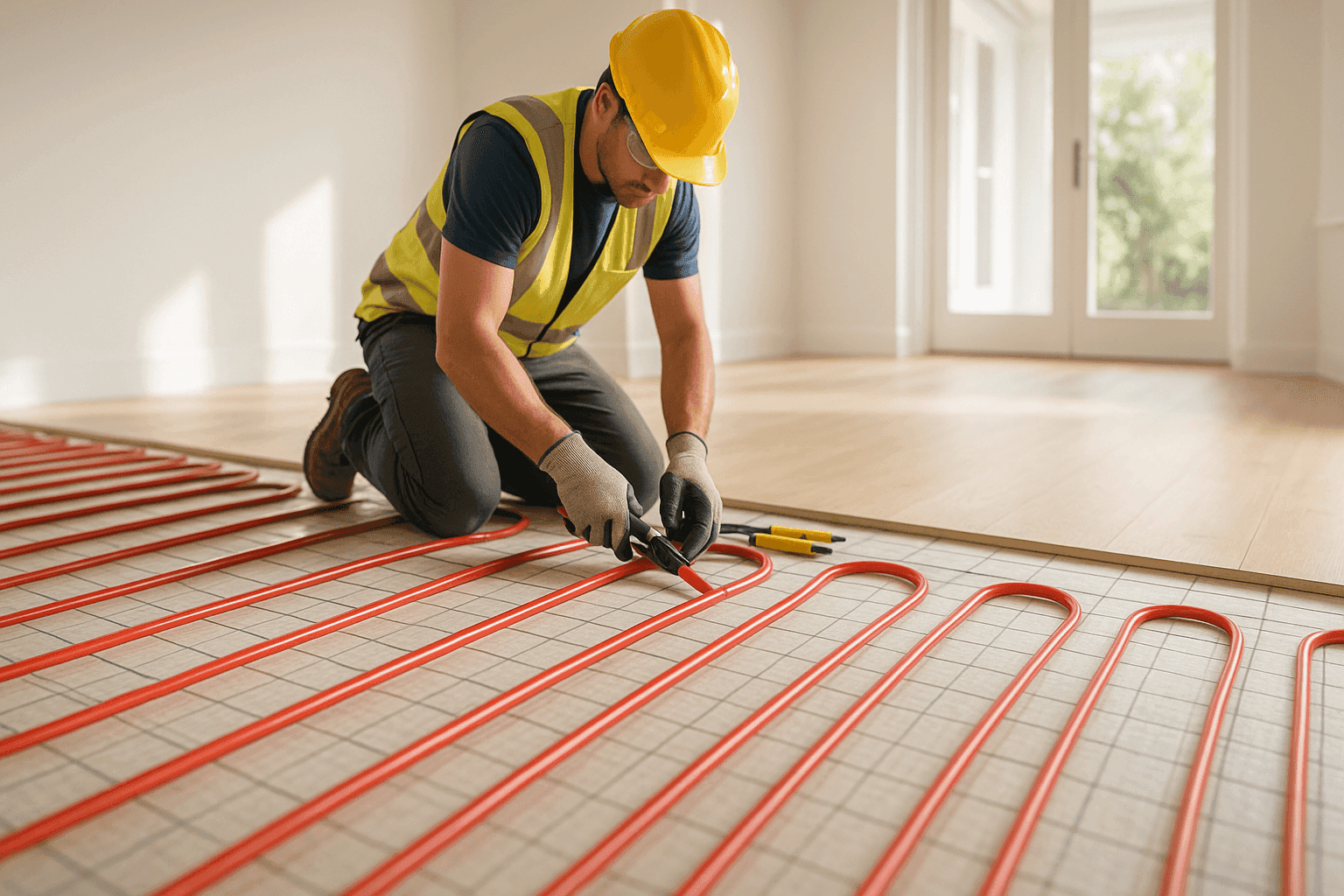
Radiant heating works like the warmth of the sun on your skin. It heats surfaces—floors, walls, even ceilings—which then radiate warmth throughout your space. The most popular version? Radiant floor heating. Think of it as an invisible blanket under your feet, spreading steady, even heat room by room.
- Uses hot water pipes (hydronic) or electric coils, installed under floors.
- No ducts or vents. No blowing air.
- Heat rises gently and evenly.
Radiant heating can be installed in new construction or retrofitted into existing homes, but floor type and structure matter.
Forced Air System Basics
Forced air systems are like the lungs of your house. They pull in air, heat or cool it, and push it through ducts to every room. Most homes in the U.S. use this type of system—especially when air conditioning is a must.
- Uses a furnace (gas, electric, or oil) and a blower fan.
- Delivers warm or cool air through ductwork and vents.
- Easy to pair with central AC.
They work quickly and are easy to adjust with a thermostat, but rely heavily on clean, well-sealed ducts.
Pros and Cons: Radiant Heating
Pros:
- Whisper-quiet operation—no fan noise or whooshing vents.
- Even, steady warmth from the ground up. No cold feet!
- Doesn’t blow dust or allergens around.
- Energy efficient in well-insulated homes.
- Great for allergy sufferers and those sensitive to dry air.
Cons:
- More complex to install, especially in existing homes.
- Upfront cost is typically higher than forced air.
- Cooling requires a separate system.
- Repairs can involve access to floors or walls.
Installation Considerations: Radiant Heating
- Best with tile, stone, or engineered flooring. Carpet insulates and can reduce effectiveness.
- Works well in bathrooms, kitchens, and basements.
- Retrofitting into older homes is possible, but may require raising floors or significant construction.
Pros and Cons: Forced Air Systems
Pros:
- Quick to install in most homes.
- Can heat and cool with the same ductwork.
- Fast temperature changes—crank up the heat and feel it within minutes.
- Easy to add upgrades: humidifiers, air scrubbers, advanced filters.
- Lower initial cost.
Cons:
- Can blow dust, pollen, and allergens throughout the house.
- Duct leaks and poor insulation waste energy.
- Can create hot and cold spots in large or multi-story homes.
- Fans and ducts can be noisy.
Installation Considerations: Forced Air
- Works in most home layouts, especially those with existing ductwork.
- Ducts require regular cleaning and sealing for peak efficiency.
- Good choice if you want integrated AC or advanced air filtration.
Comfort: How Each System Feels
Radiant heating is like stepping onto a sun-warmed patio in the morning. The heat is gentle, rises evenly, and keeps your toes toasty. No drafts. No cold corners.
Forced air is more like a quick blast from your car’s heater. It can warm a room fast, but the air might feel dry or uneven. Some folks notice the fan kicking in, or hear vents rattling when the system starts up.
Tip: If you have high ceilings or drafty windows, radiant heat can help keep the chill away by warming objects and people—not just the air.
Maintenance Needs
Radiant Heating Maintenance
- Annual checkup for leaks, airlocks, and controls.
- Hydronic systems need water chemistry monitored to prevent corrosion.
- Electric systems are mostly maintenance-free but can be hard to repair if a wire fails.
Forced Air Maintenance
- Change filters every 1–3 months (more often with pets or allergies).
- Annual duct cleaning recommended by the National Air Duct Cleaners Association (NADCA).
- Check blower fans, belts, and thermostats each season.
- Humidifiers and air purifiers need regular service.
Energy Efficiency & Operating Costs
Radiant heating is famously efficient in the right home. It doesn’t lose much heat since everything stays inside the room—not disappearing up the chimney or through drafty ducts. Hydronic radiant systems can use high-efficiency boilers or even tap into geothermal energy.
Forced air systems can be very efficient, too—but only if ducts are well-sealed and the furnace is modern. According to the U.S. Department of Energy, up to 30% of heated air can be lost through leaky ducts. Regular maintenance is key.
Typical Operating Costs:
- Radiant: Lower month-to-month costs, higher upfront investment.
- Forced Air: Lower installation cost, higher operating costs if ducts are leaky or poorly insulated.
Installation & Retrofit Considerations
Radiant Heating: New Builds vs. Retrofits
- New construction: Easiest time to install. Can be built into concrete slabs or subfloors.
- Retrofits: Possible with thin mats or panels, but may require floor height adjustments. Works best during major remodels or flooring upgrades.
Forced Air: Upgrades and Add-ons
- Existing ducts: Installation is fast and affordable.
- No ducts: Can be added, but may need soffits or dropped ceilings in older homes.
- Add-ons: Easy to incorporate humidity control, air cleaning, and smart thermostats.
Climate-Specific Recommendations 🏔️
- Cold climates: Radiant heating shines. It keeps homes warm even in deep winter, especially with good insulation.
- Mixed climates: Forced air offers flexibility—heat in winter, AC in summer, all from one system.
- Humid regions: Forced air with dehumidifiers keeps both temperature and moisture in check.
- Dry, cold areas: Radiant plus a humidifier can create perfect comfort without static shocks.
If you’re searching for “Radiant Heating near you,” remember that climate, insulation, and your family’s health needs all play a big role.
Cost Breakdown & Value Factors
- Radiant Heating: Installation often ranges from moderate to high, depending on your space and flooring. Long-term energy savings can offset this over time, especially with stable gas or electric rates.
- Forced Air: Typically lower upfront costs. Maintenance and duct repairs can add up over years, especially if you’re adding AC or advanced air filtration.
Tip: Factor in local building codes and permits. Always use licensed professionals—incorrect installation can lead to safety hazards or void insurance.
Maintenance: DIY vs. Call a Pro
Some tasks are safe for a handy homeowner. Others? Leave them to professionals with the right tools and training.
DIY:
- Changing filters (forced air)
- Checking thermostat settings
- Bleeding air from accessible radiant panels (if trained)
Call a Pro:
- Annual system checks
- Repairing leaks or wiring
- Duct cleaning and sealing
- Upgrading controls or integrating smart tech
When in doubt, safety comes first.
Emergency HVAC: When Fast Help Matters
No heat in the middle of a cold snap? Furnace won’t start or radiant floors go cold? That’s when emergency hvac service matters most. Platts Heating & Air is on call 24/7 for repairs, troubleshooting, and quick installations—so your family never has to shiver in the dark.
Platts Heating & Air: Installation You Can Rely On
Our technicians handle both radiant and forced air systems with care and experience. We follow national safety codes, use high-quality materials, and treat your home as if it were our own. Whether you’re building, remodeling, or facing a heating emergency, we’ll walk you through your options, explain every step, and make sure your system is safe, efficient, and built to last.
Frequently Asked Questions
Q: Can radiant heating cool my home in summer?
A: No. Radiant is for heating only. You’ll need a separate AC system for cooling.
Q: Is radiant heating safe for kids and pets?
A: Yes! There are no exposed hot surfaces or sharp vents. Floors stay warm but not dangerously hot.
Q: How often should I service my heating system?
A: Both systems should be inspected by a pro at least once a year, ideally before the heating season starts.
Q: Will radiant heating raise my floors?
A: In retrofits, yes—by about ½ inch or more, depending on the system. New builds can plan for this in advance.
Local & Seasonal Considerations
Your home’s age, insulation, and layout all impact which system is best. In older homes with drafts, radiant may be the better investment for even warmth. In newer homes or climates that swing from cold to hot, forced air might offer more value.
No matter where you live, emergency hvac is always just a call away. We install, repair, and maintain both systems—so you get comfort you can count on when it matters most.
Ready to talk heating? Call Platts Heating & Air now — or reach us anytime at 888-828-9042 .