7 Signs Your AC Needs Repair (And How to Act Fast)
Is your AC making odd noises in the dead of night? Maybe you’re feeling a wave of warm air when you expected a cool breeze. At Platts Heating & Air, we know the feeling—your comfort is slipping away, and you want answers fast.
You shouldn’t have to sweat out a summer night or worry if your system will hold up. As a trusted emergency hvac team, we’ve seen every scenario from clogged filters to full breakdowns. Here’s how to catch problems early, avoid bigger headaches, and keep your cool—literally.
Why Catching AC Issues Early Matters
Small warning signs can snowball into major problems. A strange rattle today could be a total shutdown tomorrow. The sooner you spot issues, the faster you can act. That means less downtime, lower costs, and more peace of mind at home.
Quick Safety Checklist 🛑
Before you dive into diagnosing your AC, keep safety first:
- Turn off power at the breaker before inspecting the unit.
- Never touch wet electrical components.
- Beware of musty or burning smells—these can signal urgent hazards.
- If you hear loud banging or see smoke, leave the area and contact emergency hvac help right away.
- For any suspected gas leaks (like with dual-fuel systems), evacuate and call emergency services.
The 7 Signs Your AC Needs Repair—And What to Do
1. Strange Noises: Clanks, Bangs, or Whines
What You’ll Notice
- Grinding, squealing, or banging when the system starts or stops.
- Rattling that grows louder over time.
Why It’s Urgent
Think of these noises like your car’s check engine light. Unusual sounds can signal loose parts, worn belts, or motor trouble—issues that can spiral quickly.
What You Can Check
- Remove debris (sticks, leaves) from around the outdoor unit.
- Tighten loose exterior grill screws (if safe to do).
When to Call Platts
If the noise is loud, metallic, or persistent, call for emergency hvac repair. Persistent sounds mean something’s out of place or wearing down fast.
2. Warm Air Blowing Instead of Cold
What You’ll Notice
- Vents pushing out lukewarm or even hot air.
- Thermostat set to cool, but the temperature keeps rising.
Why It’s Urgent
Your AC should be a cold front, not a hair dryer. Warm air signals problems like low refrigerant, compressor failure, or thermostat glitches.
What You Can Check
- Check the thermostat settings—make sure it’s set to “Cool.”
- Replace or clean the air filter.
- Inspect the outdoor unit for ice or heavy dirt.
When to Call Platts
If you’ve tried the basics and still feel warm air, your system may need refrigerant (which must be handled by licensed pros) or deeper repair.
3. Weak Airflow From Vents
What You’ll Notice
- Barely-there breeze from vents, even with the fan on high.
- Some rooms are comfortable; others are stuffy or hot.
Why It’s Urgent
This can mean a clogged filter, failing blower motor, or duct problems. Like a garden hose with a kink, weak airflow strains the whole system.
What You Can Check
- Replace the air filter.
- Open all supply and return vents.
- Look for obvious blockages or collapsed ductwork (in accessible areas).
When to Call Platts
If airflow stays weak, call for professional HVAC repair. Internal components or duct balancing may be needed.
4. Water Leaks or Pooled Moisture
What You’ll Notice
- Puddles around the indoor unit or under ducts.
- Drip, drip—visible water under the AC.
Why It’s Urgent
Water where it shouldn’t be can damage floors, walls, and ceilings. Leaks may signal a clogged condensate drain, frozen coil, or refrigerant issue.
What You Can Check
- Check for visible clogged drain lines.
- Inspect the drip pan for standing water.
- Gently clear debris from the drain (if accessible and safe).
When to Call Platts
If leaks persist or water pools keep growing, call us. Unchecked leaks can cause mold, rot, or even electrical hazards.
5. Frequent Cycling—Starts and Stops Constantly
What You’ll Notice
- AC turns on and off every few minutes, never settling.
- Your home never reaches the set temperature.
Why It’s Urgent
Short cycling can wear out your compressor, spike energy bills, and leave your home unevenly cooled. It’s a sign something’s interfering with the system’s control.
What You Can Check
- Double-check thermostat placement (not in direct sun).
- Replace air filters.
- Ensure vents aren’t blocked.
When to Call Platts
If the problem doesn’t resolve, internal electrical or refrigerant issues may be to blame. Let a pro diagnose before bigger damage happens.
6. Odd or Unpleasant Odors
What You’ll Notice
- Musty, moldy, or sour smells from vents.
- Occasional burning or electrical odors.
Why It’s Urgent
Bad smells can mean mold in ductwork, burned wires, or even pest problems. Beyond comfort, these can be health hazards.
What You Can Check
- Replace filters.
- Inspect accessible ducts for visible mold or debris.
- Sniff near the vents to locate the strongest source.
When to Call Platts
Persistent odors or any burning smell means you should call for emergency hvac help. Mold or electrical issues won’t fix themselves.
7. Rising Energy Bills—No Clear Cause
What You’ll Notice
- Monthly electric bill jumps up, but your habits haven’t changed.
- AC runs longer and works harder for the same comfort.
Why It’s Urgent
A struggling system drains your wallet. This can signal everything from refrigerant leaks to aging parts or poor air balancing.
What You Can Check
- Clean or replace filters.
- Check for obvious leaks around windows and doors.
- Make sure your thermostat settings match the season.
When to Call Platts
If your bills stay sky-high, your system is likely working overtime to compensate for a deeper issue. A professional tune-up or HVAC maintenance can restore efficiency.
Emergency vs. Non-Emergency AC Issues 🚨
Some AC problems can wait a day or two. Others demand immediate action:
Emergency AC Issues:
- No air at all during a heatwave.
- Electrical burning smells.
- Water leaks near electrical components.
- Any smoke, sparks, or tripped breakers.
Non-Emergency AC Issues:
- Minor noises.
- Mildly reduced cooling (with alternative comfort options).
- Dusty smells on first use (often temporary).
Rule of Thumb: If your safety, health, or property are at risk, call an emergency hvac provider like Platts Heating & Air right away.
DIY vs. Call a Pro
Safe for Homeowners:
- Change air filters monthly or as needed.
- Clear debris from outdoor units.
- Check thermostat batteries and settings.
- Open all vents and registers.
Leave to the Pros:
- Electrical repairs or refrigerant handling (EPA requires certified technicians for refrigerants).
- Blower motor or capacitor replacement.
- Duct cleaning beyond simple vent dusting.
- Diagnosing compressor or coil issues.
HVAC codes and safety guidelines, such as those from the International Residential Code (IRC), recommend only licensed professionals handle most internal repairs.
What Pros Do On Arrival
When Platts Heating & Air arrives, here’s what you can expect:
- Listen to your concerns and review the symptoms.
- Inspect all system components: thermostat, filters, coils, motors, and electrical parts.
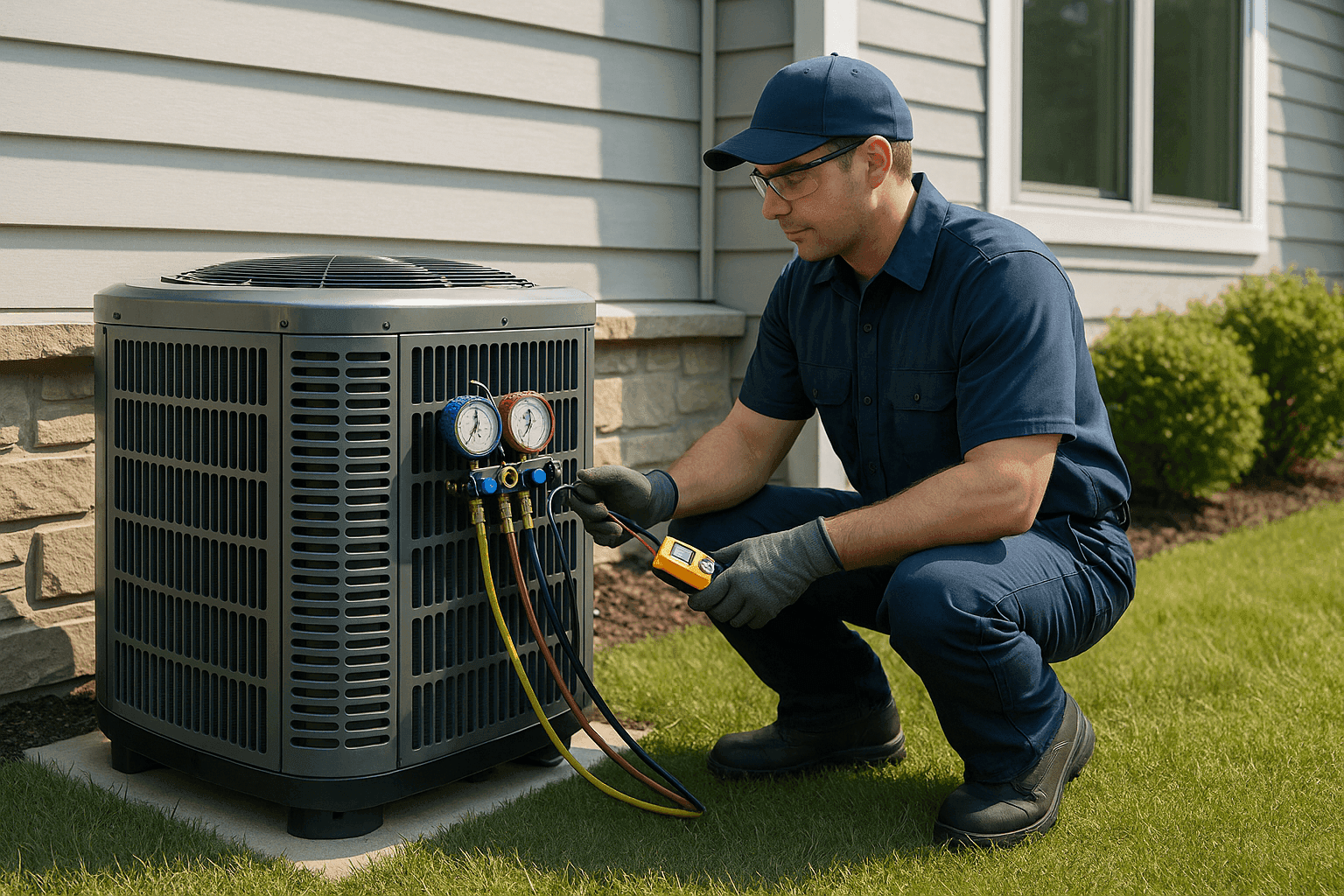
- Use diagnostic tools (gauges, thermometers, leak detectors) to pinpoint the cause.
- Explain findings in plain language and recommend solutions.
- Restore comfort as quickly as possible—sometimes in a single visit.
Preventing Breakdowns: Tips for a Reliable AC
A well-cared-for AC is less likely to break down at the worst moment. Add these habits to your routine:
- Change filters every 30–90 days.
- Schedule HVAC maintenance twice a year (before summer and winter).
- Keep the outdoor unit clear of leaves, grass, and clutter.
- Use a programmable thermostat to reduce wear and tear.
- Run ceiling fans to support airflow and reduce AC workload.
- Ask about whole-house fans or radiant heating near you for year-round comfort.
For extra protection, request a home energy audit to uncover hidden inefficiencies.
Costs & Time Factors
AC repair costs and timelines can vary, but here’s what most homeowners can expect:
- Minor fixes (filter change, thermostat reset): 10–30 minutes.
- Moderate repairs (capacitor, relay): 1–2 hours.
- Major repairs (compressor, refrigerant leak): Several hours to a full day.
Cost depends on the part, labor, and system access. Emergency hvac calls may incur higher fees, especially after hours or during peak heat.
When It’s an Emergency
Never take chances with your health or safety. If your AC:
- Stops working during extreme heat (especially for vulnerable family members).
- Emits burning, electrical, or gas smells.
- Causes visible leaks near electrical panels.
- Trips breakers or causes flickering lights.
Turn off the system and call Platts Heating & Air for 24/7 emergency hvac help.
FAQ: Common AC Repair Questions
How often should I replace my air filter?
Every 30–90 days, or more often if you have pets or allergies.
Is it safe to run the AC if it’s making noise?
If the noise is loud, metallic, or grinding, turn it off and call for repair. Minor noises may be safe, but monitor closely.
What’s the average AC lifespan?
Most systems last 10–15 years with regular maintenance.
Can I use a portable AC as a backup?
Yes, but it’s not a long-term solution and may not cool your whole home efficiently.
Local & Seasonal Considerations
- Peak summer: Systems work harder—schedule maintenance before the first heatwave.
- Allergy season: Change filters more often and consider air scrubbers or IAQ testing.
- Stormy weather: Check for debris and schedule generator installation or generator maintenance to protect your comfort.
Why Homeowners Choose Platts Heating & Air
When your comfort is on the line, you need a team that responds—day or night. Our diagnostic tools are ready 24/7. Our experience covers every make and model, from ductless mini-splits to radiant heating near you. We spot the warning signs others miss, and we act fast to keep your home safe and cool.
Call Platts Heating & Air now — or reach us anytime at 888-828-9042 .