The Homeowner’s Guide to Whole-House Fans: Benefits & Installation
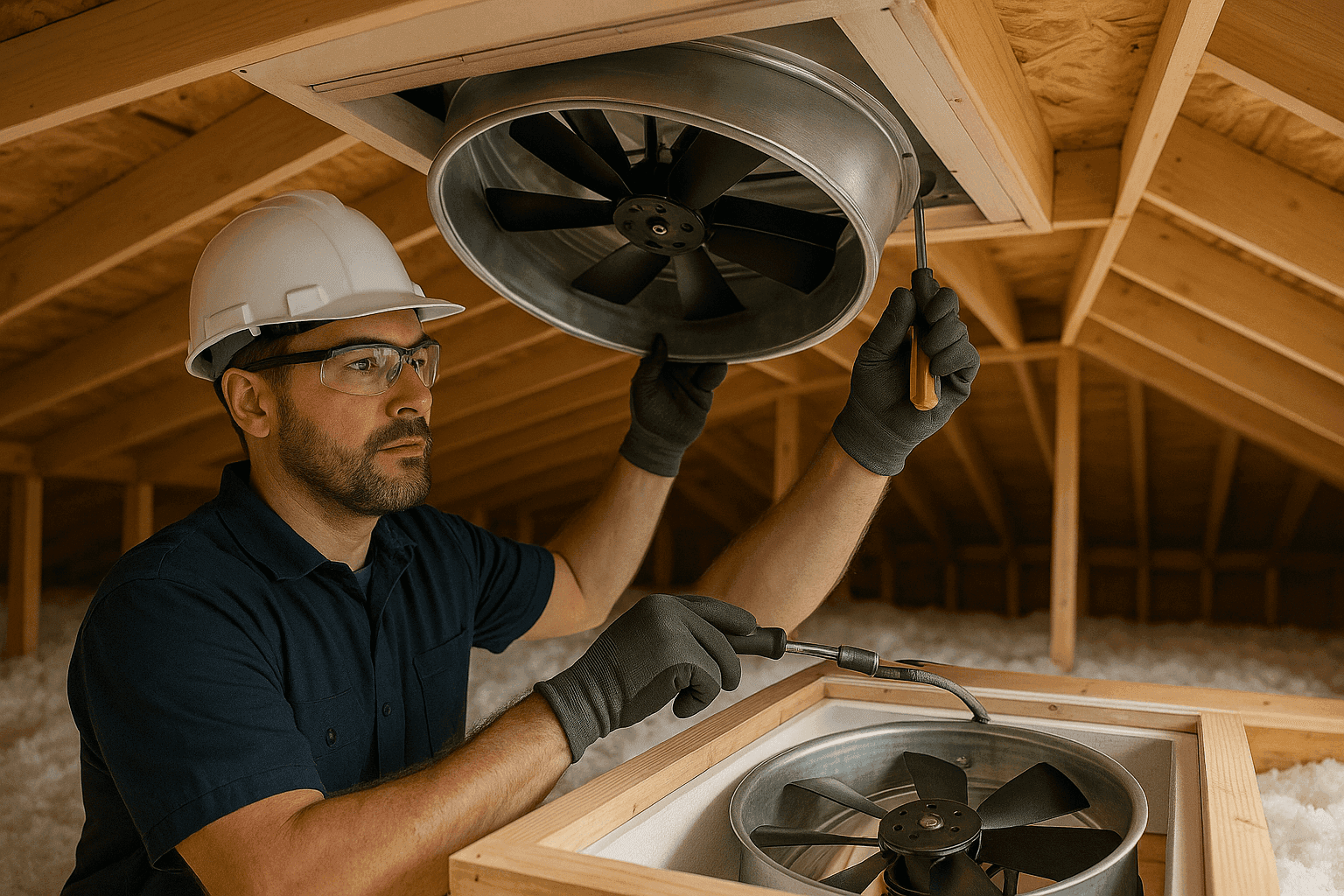
Is your home stuffy at night, even with the windows open? Do you ever wish you could flush out a whole day’s worth of heat in minutes—without cranking up the AC and watching your energy bill spike? You’re not alone. At Platts Heating & Air, we meet homeowners every day who want comfort, fresh air, and lower costs.
Whole-house fans are gaining attention as a smart, energy-friendly solution. But how do they work, and are they worth it for your space? Let’s pull back the attic hatch and see what’s inside.
How Whole-House Fans Work & When They Shine 🌬️
Imagine your home as a big glass of lemonade left in the sun—by evening, it’s warm and stale. A whole-house fan is like dropping in ice cubes and stirring fast.
Here’s the gist: A whole-house fan sits in your attic, usually at the ceiling of a central hallway. When you flip it on (typically at dusk or dawn), it pulls cool outdoor air in through open windows and pushes hot, stale indoor air up into the attic and out through roof vents. Your living spaces cool quickly.
Best use cases:
- Cool, dry evenings and mornings—ideal for spring and fall, or summer nights
- Homes with safe, accessible attic space and good roof venting
- Families wanting to cut AC use but keep things comfortable
Not ideal if:
- Outdoor air is extremely hot or humid
- Air quality is poor outside (wildfire smoke, pollen, high pollution days)
- Your attic insulation or venting is lacking
When conditions are right, a whole-house fan can drop indoor temps by up to 10°F in minutes and keep air moving all night.
Installation Basics: What to Expect
You might picture fan installation as just “pop it in and plug it up.” In reality, there’s a bit more to it—especially if you want the system to last and stay safe.
Here’s what a professional installation covers:
- Sizing: The fan needs to match your home’s square footage and attic ventilation. Too small, and it’s a waste of effort. Too large, and you risk negative pressure and backdrafting (pulling harmful gases from appliances).
- Attic prep: Clear insulation, make room for the fan, and check for any electrical hazards or structural issues.
- Electrical wiring: Whole-house fans draw a lot of current at startup. Wiring needs to be up to code (see National Electrical Code®—Section 430 for motors).
- Sealing and finishing: Proper installation means no air leaks or loose parts rattling above your ceiling.
Cost ranges:
- Fan and materials: Typically $600–$1,500 depending on size and brand.
- Labor: Most jobs take 4–8 hours, with professional installation ranging from $800–$2,500.
- Permits and code: Some municipalities require permits or inspections. Always check local code or consult a licensed contractor.
A professional install ensures efficiency, safety, and a quieter experience. No one wants a helicopter in the attic.
Whole-House Fans vs. Attic Fans: What’s the Difference? 🤔
It’s easy to mix up whole-house fans and attic fans, but they’re as different as a ceiling fan and a window AC.
- Whole-house fan: Moves indoor air out and pulls outdoor air in—cools your living space directly.
- Attic fan: Only circulates air within the attic—keeps attic temps down, but doesn’t push fresh air into living areas.
Think of a whole-house fan as airing out your whole home. An attic fan just keeps your storage boxes from melting.
Efficiency tip: If you already have an attic fan, it won’t replace the benefits of a whole-house fan. But using both can keep attic temps lower, helping your AC work less hard.
Maximizing Whole-House Fan Efficiency
Using a whole-house fan is a bit like opening just the right windows on a breezy day. Here’s how to get the most out of it:
- Open windows strategically: Crack open windows in the rooms you want to cool. Too many open? The airflow gets weak. Too few? You risk negative pressure.
- Run at the right times: Early morning or late evening, when outdoor temps are cooler.
- Close fireplace dampers: Prevents drawing in soot or odors.
- Check attic vents: Make sure they’re clear—blocked vents reduce fan performance and can cause attic moisture problems.
- Seasonal maintenance: Clean fan blades and grills, check for loose screws, and inspect wiring.
The U.S. Department of Energy recommends using whole-house fans when the air is cooler outside than inside. This can reduce AC use by up to 90% on milder days.
Platts Heating & Air: Our Experience & Happy Homeowners
At Platts Heating & Air, we’ve installed hundreds of whole-house fans in homes just like yours. Our technicians know the ins and outs of every attic—tight crawl spaces, tricky wiring, you name it.
What our customers say:
“I never realized how much cooler our house could be at night. The team at Platts installed our fan quickly, and now we sleep with fresh air every evening.”
— Hannah L.
“We wanted to cut our summer electricity bill, and the whole-house fan made a bigger difference than expected. The install was smooth, and the team explained every step.”
— Brian D.
We treat your home as if it’s our own—with care, respect, and a focus on safety. Our emergency hvac services mean we’re always ready if you have questions or concerns, day or night.
Whole-House Fan Safety Checklist ✅
- [ ] Only run the fan with open windows to prevent backdrafting
- [ ] Inspect attic vents for blockages or insulation buildup
- [ ] Turn off gas appliances (like water heaters) while using the fan
- [ ] Never use during poor outdoor air quality events
- [ ] Schedule annual electrical and mechanical maintenance
A simple routine can keep your fan running safely for years.
DIY vs. Calling a Professional Installer
You might be handy with a drill and a YouTube video, but whole-house fans aren’t a basic DIY project. Mistakes can lead to wasted money—or worse, safety hazards.
DIY risks:
- Incorrect sizing leads to poor performance
- Faulty wiring is a fire risk
- Poor attic sealing causes heat loss in winter
- Voiding the manufacturer’s warranty
Professional installers:
- Calculate correct sizing and venting
- Wire to code (per NEC and local ordinances)
- Seal, insulate, and finish for both safety and quiet operation
- Provide equipment documentation for future maintenance
In short, it’s like baking bread versus making a sandwich—one is best left to those with the oven mitts.
What To Expect When Platts Arrives
When you schedule a whole-house fan installation with Platts Heating & Air, here’s what you’ll see:
- Home assessment: We measure your space, check attic accessibility, and inspect roof vents.
- Sizing & planning: Our techs calculate the right fan size, venting, and placement.
- Attic prep: We move insulation, check for hazards, and prep the install site.
- Wiring & mounting: Electrical connections are made safely, and the fan is mounted securely.
- Testing: We run the fan, check airflow, and inspect for leaks or vibrations.
- Cleanup & walk-through: No mess left behind. We explain operation, maintenance, and answer all your questions.
Our team can also advise on air balancing, indoor air quality, and other upgrades—like dehumidifiers or smart thermostats—that can work alongside your new fan.
Maintenance Tips for Lasting Performance
Just like a well-oiled bike chain, your whole-house fan needs a little TLC:
- Clean the fan blades and grill every season
- Listen for unusual noises (rattling, grinding)
- Check attic vents for dust or debris
- Inspect wiring and switches
- Replace worn belts or parts as needed
Annual maintenance not only keeps your fan efficient but also helps prevent unexpected breakdowns in the middle of a heatwave.
Installation Costs & Time Factors
Whole-house fan installation isn’t one-size-fits-all. Here’s what can affect the investment:
What impacts cost:
- Home size and number of stories
- Attic accessibility
- Electrical upgrades (older homes may need wiring updates)
- Fan brand and features (speed controls, smart integration)
- Permits/inspections as required by local code
Typical time: Most installs take a single day—sometimes half a day for straightforward jobs, or a bit longer for complex attic layouts.
Remember, a quality install pays for itself over time with lower AC bills and a healthier, fresher home.
When It’s an Emergency
Most whole-house fans aren’t “emergency hvac” fixes, but sometimes you need urgent help:
- Fan won’t turn off/on: Could be a switch, wiring, or motor failure—call a pro.
- Burning smell or smoke: Turn off immediately and call for service.
- Sudden loud noises: Could indicate a loose blade or failing motor.
If your comfort or safety is at risk, Platts Heating & Air offers 24/7 emergency hvac support. We’re here when you need us—whether it’s a fan, furnace, or anything in between.
Frequently Asked Questions
How much energy can I save with a whole-house fan?
The U.S. Department of Energy estimates whole-house fans can reduce AC use by 50–90% in mild climates—especially when used at night.
Will a whole-house fan improve indoor air quality?
Yes—by increasing air exchanges, fans help flush out stale air, odors, and indoor pollutants. For best results, use alongside good filtration and routine IAQ testing.
Is it noisy?
Today’s high-quality fans are much quieter than older models. Proper installation and insulation make a big difference.
Can I use a whole-house fan with my AC?
Yes—but never at the same time. Use the fan to pre-cool your home, then switch to AC if needed for peak afternoon heat.
Local & Seasonal Considerations
Whole-house fans shine when outdoor temps drop below indoor temps—think evenings in spring, fall, or summer nights. If you live in an area with wildfire smoke or high pollen, keep tabs on outdoor air quality (check the EPA’s AirNow recommendations).
In humid climates, you may need a dehumidifier to keep indoor comfort levels high. In drier regions, a whole-house fan paired with radiant heating near you can offer an efficient year-round solution.
Is a Whole-House Fan Right for You?
Choosing a whole-house fan is about more than just cooling—it’s about comfort, fresh air, and saving energy for years to come. If you want to boost your home’s comfort and lower your bills, this upgrade is worth considering.
Got questions? Need emergency hvac help or want an honest assessment?
Call Platts Heating & Air now — or reach us anytime at 888-828-9042 .